All inclusive destination wedding packages help couples plan weddings abroad with predictable costs and fewer vendors. They include venue, catering, and basic décor. Planners use these packages to save time, limit surprises, and keep travel logistics simple. This guide explains what most packages include, popular destinations, choosing criteria, budget traps, and smart upgrades.
Key Takeaways
- All inclusive destination wedding packages simplify planning by bundling venue, catering, décor, and coordination into one predictable cost.
- Popular destinations for these packages include Caribbean beaches, Mexico, European towns, and mountain lodges, each offering distinct venue styles and experiences.
- Couples should choose packages based on must-have services, budget alignment, guest convenience, and clear contract terms to avoid surprises.
- It’s crucial to ask vendors detailed questions about pricing, guest limits, legalities, and cancellation policies before booking.
- Hidden costs like gratuities, legal fees, and guest travel expenses often arise, so couples should budget a 10–20% contingency beyond the package price.
- Smart upgrades such as premium bars, extended photography, welcome gifts, and guest shuttles enhance the experience without drastically increasing costs.
What An All-Inclusive Destination Wedding Package Typically Includes
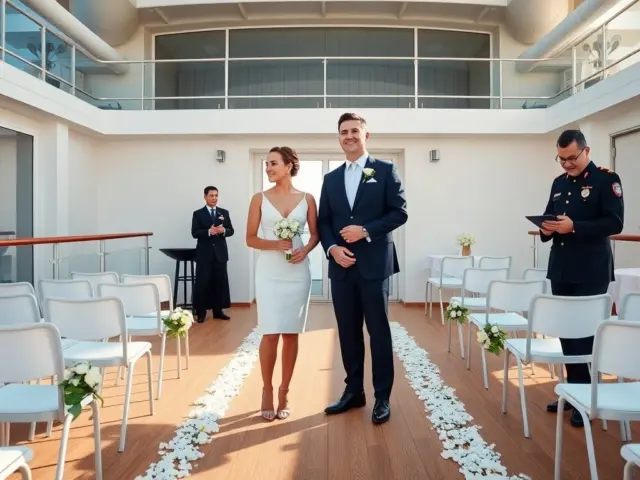
Most all inclusive destination wedding packages include a ceremony site, a reception space, basic floral arrangements, and a meal per guest. Packages often include a wedding planner or coordinator who handles local permits and vendor timing. Couples receive a standard cake, a set number of photographer hours, and a few bridal styling services. Many packages add group room blocks at the resort, airport transfers for the couple, and a simple welcome event. Additional services like premium photography, extra decor, or extended entertainment usually cost more. Buyers should read the package list and note exact limits on guest count, meal type, and time of day.
Most Popular Destinations And Venue Types — What To Expect
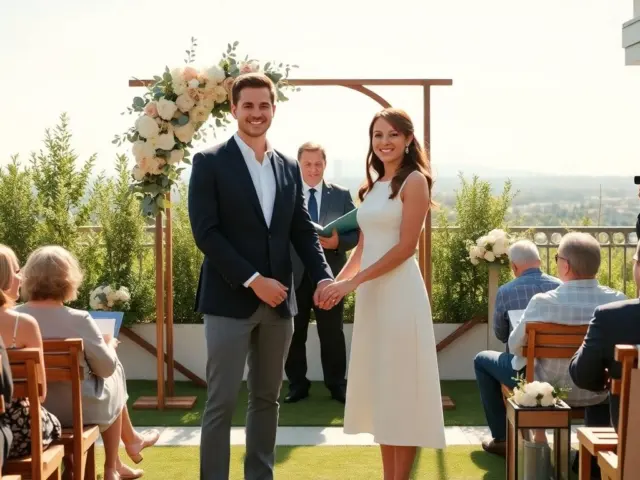
Caribbean islands, Mexico, and parts of Europe remain common choices for all inclusive destination wedding packages. Resorts on beaches offer open-air chapels, palm-lined walkways, and beachfront receptions. Adults-only resorts focus on smaller groups and quieter nights. Boutique hotels in European towns offer historic rooms and city permits. Mountain lodges provide intimate indoor options and scenic photos. Expect several venue tiers: basic ceremony spots, upgraded private beaches, and exclusive-use villas. Vendors may limit available dates in high season. Couples who pick a location early secure the best room blocks and preferred ceremony times.
How To Choose The Right Package For Your Couple
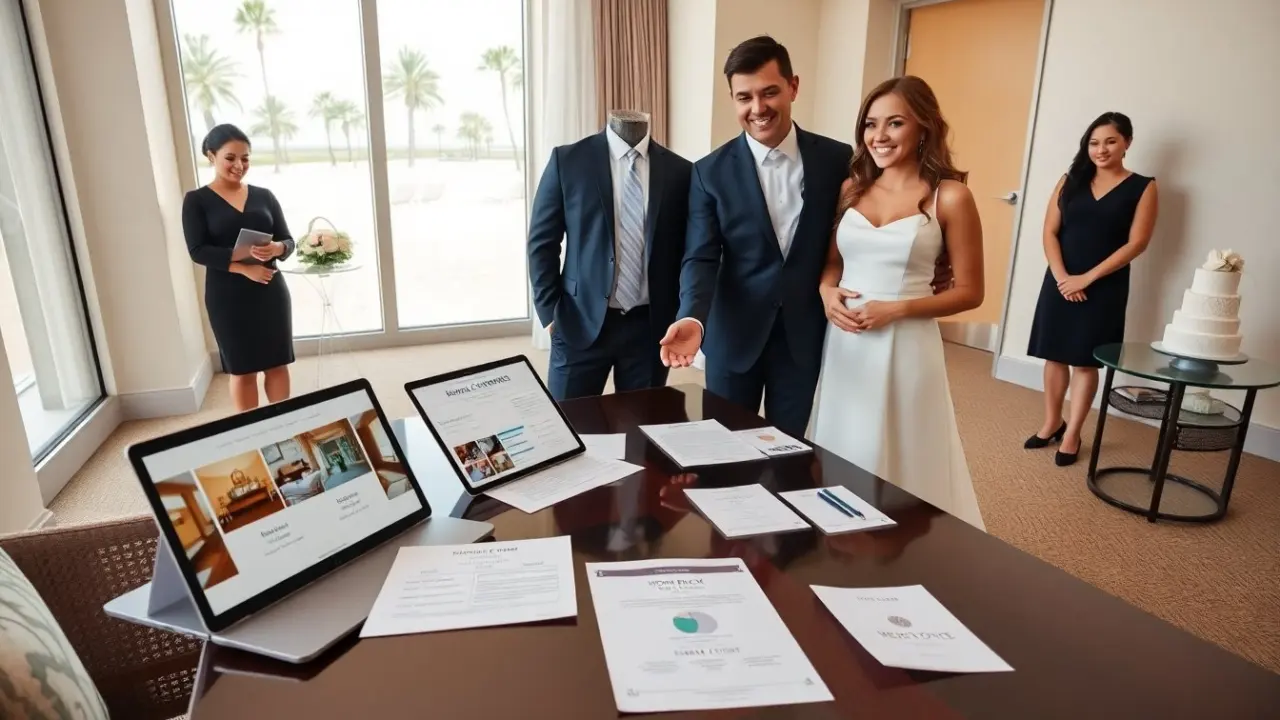
They should compare what each all inclusive destination wedding package covers and what it excludes. Couples should list must-haves, like a photographer or open bar, and drop nonessentials. They should check guest travel ease, resort reviews, and marriage legalities in the host country. Couples should confirm refund and force majeure terms to avoid surprises. They should verify what the on-site planner will handle versus what they must hire remotely. Couples should request a sample contract and a clear timeline. They should choose the package that matches their priorities, budget, and guest comfort.
Questions To Ask Vendors Before You Book
Ask what the package price covers and what triggers extra fees. Ask how many guests the price assumes and how much extra guests cost. Ask for itemized cost examples for peak and off-peak dates. Ask how the planner communicates across time zones and who handles vendor disputes. Ask about backup plans for weather, noise, or sudden vendor cancellations. Ask for proof of local licensing and insurance. Ask for clear payment deadlines and cancelation penalties. Save all responses in writing and add them to the contract.
Budget Breakdown And Common Hidden Costs To Watch For
A typical budget line in an all inclusive destination wedding package starts with venue and catering costs, then adds rooms and transfers. Hidden costs often include vendor service fees, gratuities, and local taxes. Legal fees for marriage paperwork and translation services may appear late. Photography add-ons, extra rehearsal dinners, and late-night vendor hours raise the total. Guests may need visas, travel insurance, and local transport that the package does not cover. Couples should plan a 10–20% contingency fund beyond the package price for last-minute needs and guest surprises.
Customization, Upgrades, And Enhancing The Guest Experience
Packages let couples customize decor, menu upgrades, and entertainment. Couples can upgrade to a premium open bar, a plated multi-course menu, or extended photography. They can add a welcome basket, curated excursions, or an extra rehearsal brunch. Couples should request a clear price for each upgrade and a deadline to confirm choices. Couples should choose upgrades that affect the guest experience directly, like shuttle service or room welcome gifts. Small thoughtful additions often produce bigger guest satisfaction than expensive shows or novelty items.
Sample Upgrades That Add Value Without Blowing Your Budget
Upgrade the bar to include a signature cocktail and a premium bottle selection. Add an extended photographer package for an extra hour or a second shooter. Choose family-style or plated options for key meal courses rather than a full menu upgrade. Offer welcome bags with local snacks, a schedule card, and a map. Pay for guest shuttle service from the main hotel to the ceremony site. Arrange a group activity like a short boat trip or a guided town walk. These upgrades increase perceived value and keep per-guest costs sensible.