| Cruise type | Documents | Planning use |
|---|---|---|
| US citizen on a closed-loop sailing that begins and ends at a US port | Boarding pass, government photo ID if 16 or older, and a certified birth certificate or naturalization certificate | A passport book is not required, but your cruise line’s own list has the final say. |
| US citizen on a Royal Caribbean sailing from the US | A US birth certificate works on most sailings, if it meets requirements | Confirm your sailing is not one of the exceptions before leaving the passport at home. |
| Europe or Asia cruise | Passport, because these itineraries require air travel | Treat the passport as mandatory and sort it out first. |
| Transatlantic sailing | ESTA or visa may be required, depending on nationality | Check entry rules for your own nationality before booking flights. |
| Itinerary with ports that ask for entry permission | Entry visa or electronic visa may be required, depending on nationality | Check every port country, not just the departure port. |
Figures and document lists above come from Carnival’s guide to cruising without a passport and Royal Caribbean’s travel documents page.
Do you need a passport for a cruise? US citizens on a closed-loop cruise, which begins and ends at a US port, can usually board with a photo ID and birth certificate; non-US citizens and Europe or Asia sailings need a passport.
Documents are one piece of trip preparation. The guide on how to book a cruise covers the wider booking process, and the phases below follow the order in which document decisions come up.
Closed-loop rules: the starting point
A closed-loop cruise is a round trip that begins and ends in the same US port, as Virgin Voyages describes it. Carnival uses the same idea: the trip begins and ends at a US port. AAA’s cruise advice gives the same same-port definition.
That round-trip structure is why closed-loop cruising is an exception. Carnival notes that a passport is always recommended when travelling outside the US, but cruises are the exception to that rule. The exception has limits. Carnival ties the passport requirement on Europe and Asia cruises to the air travel those itineraries involve, so a one-way flight to join the ship changes the document picture entirely.
So the first decision is simple. Look at where your ship starts and where it finishes. If both are the same US port, you are in closed-loop territory and have a choice of documents. If you are flying to a foreign embarkation port, plan on a passport.
Before you book: choose the document that fits your trip
Royal Caribbean states that a passport is the best ID document for travel, and that not every guest can use other forms of ID. Treat the alternatives below as a fallback that suits a straightforward closed-loop sailing, not as a replacement for a passport on every trip. The details come from Royal Caribbean’s travel documents page.

Passport book
A passport is the simplest answer for anyone who already holds one. AAA’s travel advice calls the passport book the only document that guarantees you can fly home from a foreign port in an emergency. If your plans might involve flying out of a port, a passport book is worth carrying even when your cruise line accepts something lighter.
Birth certificate and photo ID
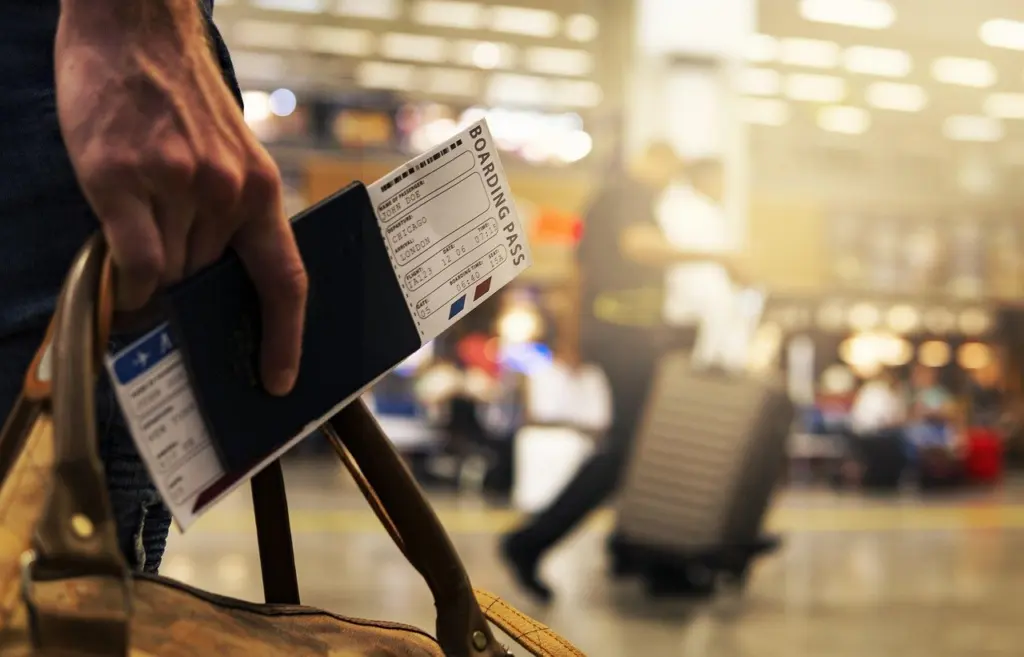
This is the standard closed-loop route for US citizens. Carnival lists a boarding pass, a government photo ID if you are 16 or older, and a certified birth certificate or naturalization certificate. Virgin Voyages words it as a state-issued birth certificate plus a physical government-issued photo ID, and says an original or a copy will do. Carnival’s wording points to a certified document, so the cautious choice is to bring the certified original.
Royal Caribbean says a US birth certificate works on most sailings from the US, provided it meets its requirements. The word “most” matters: check the line’s list for your specific sailing instead of assuming.
Passport card and enhanced driver’s licence
Virgin Voyages describes the US passport card as a wallet-sized plastic passport with no visa pages, and notes it is not valid for international travel by air. Royal Caribbean says it can be used when travelling to Canada by ground or by sea. A card suits you if you will sail and drive but never fly abroad on the same trip.
Royal Caribbean also lists the states that issue enhanced driver’s licences: Michigan, Minnesota, New York, Vermont and Washington State. AAA says that, unlike a standard licence, a passport card or an enhanced driver’s licence removes the need for a birth certificate on a closed-loop cruise. If your state is not on that list, the passport card or the birth-certificate route applies.
Children and non-US citizens
AAA says children younger than 16 typically need only an original or certified US birth certificate on a closed-loop cruise. That fits Carnival’s photo ID rule, which starts at age 16.
Non-US citizens are in a different position. AAA states they must carry a valid passport for all cruises, regardless of itinerary, so none of the birth-certificate shortcuts apply to them.
After booking: check names, documents and ports
Once the reservation exists, the work is checking that your documents match it and that each port will accept you. Work through these steps in order.
- Compare names. Royal Caribbean says the name on your passport should match the name on your reservation. Entering names exactly as they appear on your travel document is easiest at booking, and the Royal Caribbean passport FAQ is the reference for that line’s rule.
- Confirm your line’s accepted list. Royal Caribbean says everyone must present an accepted form of identification to board. Accepted documents differ by cruise line and by sailing, so read the documents page for the line you booked.
- Start applications as soon as you spot a gap. If you need a passport, passport card or a replacement birth certificate, begin the process right away rather than waiting until the cruise is close.
- Check entry rules for each port. Virgin Voyages warns that international cruise ports change their travel requirements periodically, so check again before travelling rather than relying on what applied on a previous trip.
Embarkation day: what to carry
At the terminal, the rule is the same for everyone: Royal Caribbean says guests who do not bring required documents may be denied boarding. Keep the documents together in one place that you can reach without opening a checked bag.
- Boarding pass. Carnival lists it first on the closed-loop document list.
- Photo ID. A government photo ID is needed from age 16 on Carnival sailings.
- Proof of citizenship or passport. That means the certified birth certificate, naturalization certificate, passport card or passport you chose earlier.
Print or save everything the cruise line sends before leaving home. For the rest of the boarding-day routine, first time cruise tips covers what to expect on your first sailing.
In port: when a passport still matters
A closed-loop itinerary does not guarantee that every port will accept you without a passport. AAA says some Caribbean destinations may still require passports for shore visits, naming Barbados, Martinique, Guadeloupe, Haiti, St. Barts, and Trinidad and Tobago. If your route includes any of them, bring a passport even if your line accepts a birth certificate for boarding.
The other risk is the missed ship. AAA says that if you miss the ship, you generally need a valid passport to rejoin the cruise. Independent excursions, long tours and anything that takes you far from the pier raise that risk, so a passport is the safer choice for anyone planning to explore on their own.
Frequently asked questions
How long must a passport be valid for a cruise?
Royal Caribbean says the passport must be valid for six months after the day your cruise ends. Virgin Voyages gives the same standard, an expiration date at least 6 months after the voyage end date. Check your own line’s wording, because the rule is set by the cruise line.
Do I need visas for ports?
It depends on your nationality. Royal Caribbean says some countries require an entry visa or electronic visa based on nationality, so look up each port country on your itinerary against the passport you hold.
Is a REAL ID driver’s licence enough for a closed-loop cruise?
No. AAA says a REAL ID driver’s licence alone is not sufficient, because it verifies identity rather than citizenship. Pair it with a birth certificate, unless you hold an enhanced driver’s licence or a passport card.
Does a hospital-issued birth certificate work?
No. Virgin Voyages says hospital-issued birth certificates are not acceptable. Use a state-issued birth certificate, along with a government photo ID.