| Packing factor | What the guidance supports | Planning use |
|---|---|---|
| Carry-on contents | Should get you through embarkation day and your first evening onboard | Pack first-night clothing, toiletries and medication where you can reach them |
| Baggage delays | More common than lost bags on cruises | Do not count on checked luggage arriving before dinner |
| Passport or photo ID, visas | Keep them in a carry-on bag | Never put identity papers in checked luggage |
| Insurance proof | Proof of medical insurance and travel insurance is on the document list | Keep a copy with your passport |
| Liquids in carry-on | TSA liquids rule: 3.4 ounces or less per container, in one quart-sized bag | Decant toiletries before heading to the airport |
| Irons and steamers | Typically prohibited in staterooms | Leave them at home and plan for wrinkles instead |
| Laundry service | May let you reduce the clothing you pack by at least half | Pack a smaller wardrobe and plan one laundry run |
| Dress code | Usually casual, but formality varies by cruise | Check your sailing’s requirements before choosing evening wear |
Figures and conditions above come from Generali Travel Insurance’s cruise packing guidance and Seven Corners’ essential cruise packing list.
A good cruise packing list is built around embarkation day and your ports’ climate: keep documents, medication and first-night items in your carry-on, then pack clothing for the weather and the ship’s dress code.
Packing comes after the booking decisions covered in our guide on how to book a cruise, because the itinerary, season and ship determine most of what goes in the bag. The sections below follow the order in which packing decisions matter: what you must hold on to, what the ship will not allow, what to wear, and what changes with the destination.
Documents and insurance to keep with you
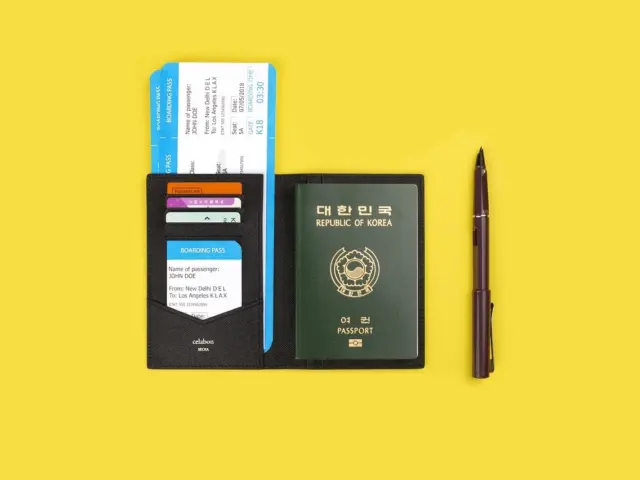
Documents are the one category where a mistake can stop the trip, so they come first. Seven Corners lists a passport or photo identification, plus any visas, at the top of its cruise document list, and advises keeping them in a carry-on rather than in checked luggage. The reasoning is practical: a bag that travels separately from you can be delayed, but papers you hold cannot.
Insurance paperwork belongs in the same pouch. Seven Corners also lists proof of medical insurance and travel insurance among the items to carry, and notes that travel insurance helps with mishaps such as missing your cruise or tour connection. Generali Travel Insurance goes further and describes travel protection as crucial for a cruise. Whether to buy a policy is a separate decision from packing, but if you do hold one, having proof at hand is what makes it useful on the road.
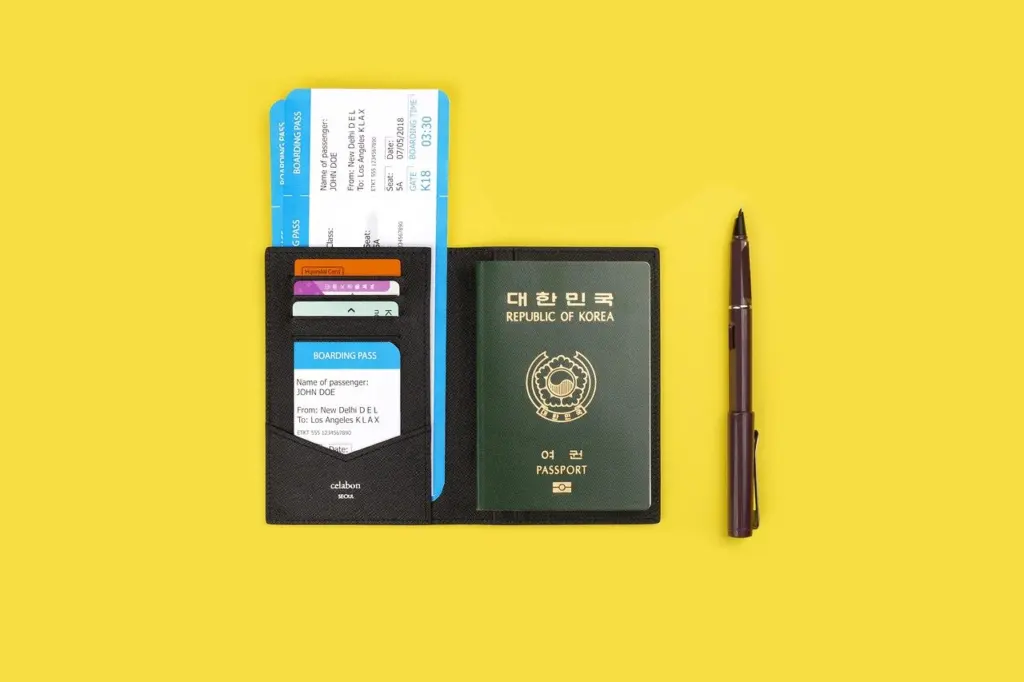
For most travellers the sensible set-up is simple:
- Identity papers: passport or photo ID, plus visas where your itinerary needs them, in the bag you carry yourself.
- Insurance proof: evidence of both medical and travel insurance, kept alongside the identity papers so one pouch covers everything.
- Prescription copies: listed in Generali’s carry-on checklist, and covered in the next section.
Building the carry-on bag for embarkation day
Generali Travel Insurance says your carry-on should get you through embarkation day and your first evening onboard. That is a useful test for every item: if you would need it before your suitcase reaches the cabin, it goes in the carry-on. The same guidance points out that baggage delays are more common than lost bags, which makes the carry-on a safeguard, not a convenience.
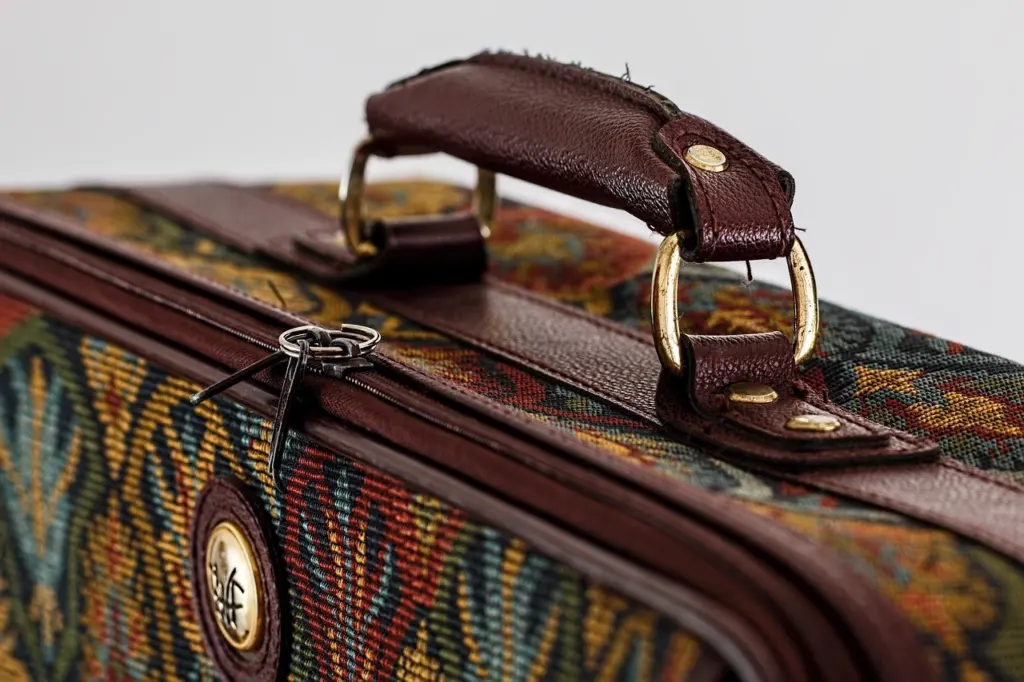
What earns a place in the carry-on
- Documents and insurance proof: as covered above, since these cannot be replaced at the pier.
- Medication: Seven Corners advises having enough for the duration of the cruise plus whatever you might need onshore, so count the days before and after sailing as well. Generali’s carry-on checklist also includes copies of prescriptions.
- First-evening clothing: a change of clothes suited to dinner on the ship, so a delayed suitcase does not dictate your first night.
- Toiletries within airline limits: the TSA liquids rule quoted by Generali allows containers of 3.4 ounces or less, all in one quart-sized bag.
Anyone packing for an older relative can pair this list with our look at the best cruise lines for seniors, since medication planning and ship choice often go together.
Items banned or restricted onboard
The restricted-items question has a narrower answer than most lists imply. Generali notes that irons and steamers are typically prohibited in staterooms, which is why a travel steamer is one of the more common mistakes. If wrinkles worry you, hang clothes in a steamy bathroom or use the ship’s laundry service instead of risking confiscation.
Power strips and surge protectors
Cabins are short of sockets. Cruzely says ships normally have only one or two plugs, and Seven Corners suggests packing a power strip with your power cords. The catch is that a surge protector is not allowed on the ship, so a plain outlet adapter or strip without surge protection is the safe choice. Check the product label before you buy, because many multi-socket strips include surge protection by default.
Policies differ between cruise lines, so confirm the current prohibited-items list on your own line’s booking pages before you pack anything electrical or heated. That check matters more than any general list, this one included.
Clothing and dress code
Seven Corners says the dress code for most cruises is usually casual, and Generali adds that cruises vary in their formality, so confirm the requirements for your sailing. The practical result is that casual daywear carries most of the trip, with one or two evening outfits for any formal nights. Generali’s suggestion for men is a light sports coat, a polo shirt and slacks, which keeps the formal option light and easy to pack.
How much to bring
Laundry service is the biggest lever on suitcase size. Seven Corners notes that cruise lines offer laundry service, so you may be able to reduce the clothing you pack by at least half. If you do not plan to use it, a cruise-fan packing guide suggests one pair of underwear for every two days, a figure it gives for a one-week cruise without laundry. Seven Corners recommends four to six pairs of shoes for a week or longer, which covers walking, pool, evening and one spare.
- Choose laundry if: your cruise is long or your luggage allowance is tight, since it removes the need to pack a full change for every day.
- Choose a larger wardrobe if: you dislike paying for or arranging laundry and your flights allow the weight.
- Wait on formal wear if: you have not yet seen the dress code for your sailing, because a formal night may require little more than the light jacket described above.
Families with children will find that ship choice affects how much gear to bring; the comparison in Best Cruise Ship For Kids: Top Family-Friendly Picks And How To Choose In 2026 – Electracruises is a useful place to start before you decide what to pack for them.
Packing by destination climate
The same suitcase will not work for every itinerary, and the guidance supports a few clear adjustments. Treat these as additions to the base list, not a replacement for it.
- Caribbean and other warm itineraries: shorts are what you will wear most of the day in warm climates, according to the cruise-fan guide. Even so, Generali warns that temperatures can drop on Caribbean cruise ships, especially in air-conditioned areas, so a light layer for evenings and indoor venues is worth the space.
- Cold-weather itineraries such as Alaska: the same guide says you may need an extra pair or two of jeans, and Generali recommends adding a long-sleeved thermal undergarment. Layers pack smaller than a single heavy coat.
- Middle East or North Africa stops: Generali says you may need clothing that covers your arms and head on shore, so pack a lightweight cover that can live in the day bag.
If your itinerary mixes climates, build around the coldest and most conservative port, then add warm-weather pieces. That order keeps you from buying missing layers at a port.
Printable checklists and final checks
A printed list is the simplest way to check your packing against embarkation-day needs. Generali offers a downloadable Cruise Trip Packing Checklist, and Cruzely publishes an 85-item printable cruise packing checklist. Use whichever you prefer, then compare it with your own carry-on, restricted-items and dress-code notes.
Before you close the case, run through three questions: are identity papers, insurance proof and medication in the carry-on, is the strip without surge protection, and does the clothing match both your dress code and your coldest port? If all three are settled, the rest is small detail.
Frequently asked questions
What should you pack for a cruise?
Start with documents, insurance proof and medication, then add clothing matched to the dress code and the climate of your ports. Laundry service can shrink the clothing you need.
What items are banned on cruise ships?
Irons and steamers are typically prohibited in staterooms, and surge protectors are not allowed on ships. Check your cruise line’s own list before packing electrical items.
What goes in a cruise carry-on?
Whatever you would need before your suitcase arrives: documents, medication, first-evening clothing and toiletries within airline liquid limits.
Is travel insurance proof worth carrying?
Yes. Carrying insurance paperwork is advisable, and coverage can respond when plans go wrong, such as a missed connection to a cruise or tour.