
The best destination wedding dresses for a cruise ship wedding are lightweight, easy to steam and compact to carry: chiffon, crepe or soft tulle in an A-line or sheath, with a sweep or chapel train rather than a very long one.
Dress choices follow the setting, so start with the wedding hub’s answer to can you get married on a cruise ship, then come back here to settle fabric, shape, packing and timing in that order.
Why a cruise changes the dress brief
A ship wedding tests a dress before the ceremony even starts. Adrianna Papell’s destination wedding dress guide says the dress should be chosen with the wedding location and travel plans in mind. It also says to think about how easily the dress can be packed, steamed, transported and stored before the ceremony. That is the right test for a bride marrying on a ship or at a port stop, where the dress travels, waits in a cabin and then faces open air.
The decisions follow a sequence, and each one limits the next:
- Fabric: sets comfort, wind behaviour and how the dress copes with warm, damp air.
- Silhouette and train: set how much the dress moves, how bulky it is and how it handles sand or uneven ground.
- Carrying and steaming: decide whether the dress arrives ceremony-ready.
- Alterations and budget: decide how much time you have to fix anything that goes wrong.
Fabrics for sea air, wind and warm ports
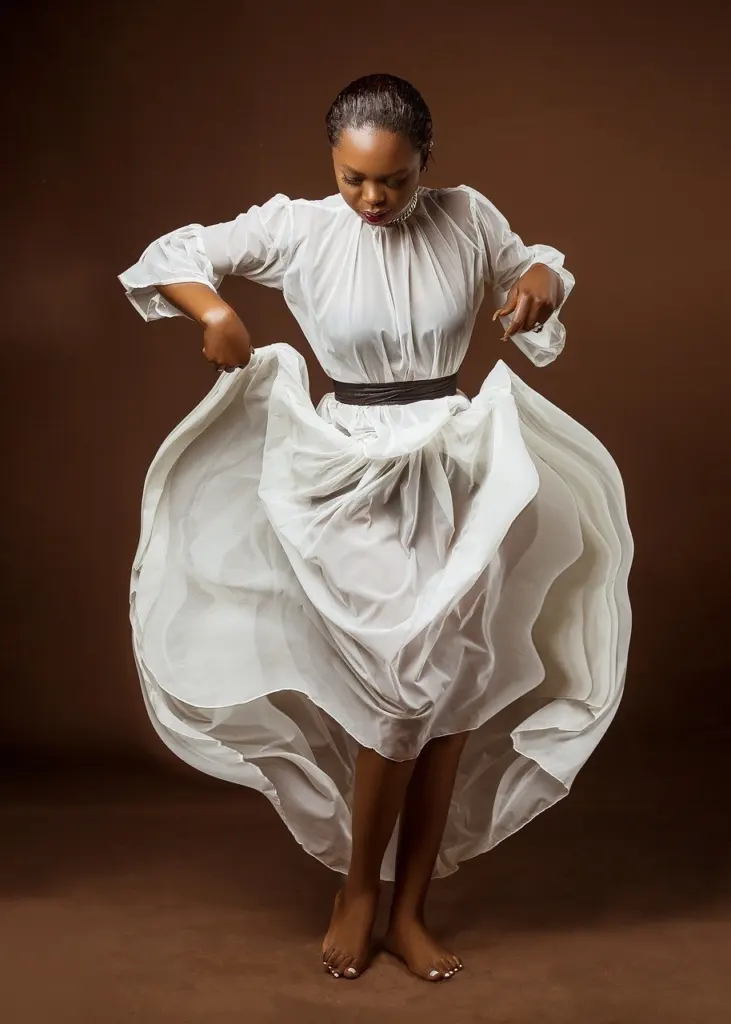
Lightweight fabric is the starting point. WedHawaii’s beach wedding dress guide says lightweight materials are the most comfortable and work better for a beach wedding. It lists chiffon, satin or charmeuse, tulle, lace and taffeta as the top beach materials. Aurora Bridal adds that light and airy gowns are a popular destination choice because they are breathable and flowy.
On a ship, wind is the bigger fabric test. Chiffon is the natural pick for a flowing look, since Adrianna Papell notes it creates movement without adding substantial weight. A very short or very sheer skirt can blow about, though. WedHawaii’s advice for shorter dresses is to make sure the material has enough weight that it will not flow around too much in the wind. On an open deck, choose a chiffon dress with a lining or layer that keeps the skirt in place.
| Fabric | Climate it suits | What the evidence supports | Planning use |
|---|---|---|---|
| Chiffon | Warm, breezy weather | Movement without substantial weight | Best for a flowing deck or beach look; check the skirt has enough weight if it is short |
| Crepe | Lightweight versions for warm celebrations; heavier crepe for cooler locations | Lightweight crepe works for destination weddings; heavier crepe is suggested for a cooler place | Match the weight to the coolest point on your itinerary |
| Satin or charmeuse | Sandy beach stops; heavier satin for cooler places | Sand shakes out more easily than from lace | A sensible choice if the ceremony is on sand |
| Lace | Beach weddings | A top beach material, but sand is harder to shake out than from satin or charmeuse | Fine for a deck ceremony; think twice if you will be walking on sand |
| Soft tulle | Destination celebrations | Works well in a lightweight version | Use for airy skirts rather than structured ones |
These fabric notes draw on WedHawaii and Adrianna Papell.
Silhouette and train
Shape decides how easily you can move once the fabric is right. WedHawaii says empire, sheath and A-line dresses allow the most flexibility for movement, and that any silhouette except a ball gown will work for a beach wedding. Adrianna Papell points to a lightweight A-line in chiffon, crepe or soft tulle as a version that works beautifully for destination celebrations.
The train deserves as much thought as the skirt. A sweep or chapel train gives bridal drama without the bulk of an extremely long one, and the same guide advises avoiding excessive layers or very long trains that are difficult to manage on sand. If your ceremony is aboard and your photos will be at a port beach, pick the train for the beach part of the day, since that is where it will cause trouble.
Packing and carrying the dress
The dress should travel with you, and it should be easy to revive when it arrives. Work through these steps in order:
- Carry it on. WedHawaii’s advice is to bring the dress with you on the plane and not to check it in your luggage.
- Ask about storage. Ask the airline whether any storage options are available during the flight.
- Choose a dress that steams easily. Adrianna Papell notes that fabrics which can be steamed easily at the destination are particularly useful.
- Check the cruise line’s rules on steamers and irons before you pack one. Contact the line’s wedding or guest services team and ask what pressing options exist on board, so you know whether to bring a steamer at all.
- Arrange pressing before you arrive. WedHawaii suggests asking the hotel for in-house steaming or reputable recommendations, and planning the turnaround and return. For a cruise, the same approach applies to a pre-cruise hotel or the ship’s own services.
This is also why a bulky skirt is a poor fit. A fuller, heavily layered dress is harder to carry on and harder to store in a cabin, so choose a dress that packs small, then let the steaming plan do the rest.
Alterations and care before the ceremony
Fit problems are cheapest to fix before you leave. WedHawaii warns not to expect a reputable seamstress to be available on short notice and to turn your dress around in two days. It advises making sure alterations are done well and planned in advance. Treat the final fitting as part of your travel plan, and check the work yourself, since a ship or port will not give you a second chance.
A wedding planner can take much of this off your list. WedHawaii draws its advice from more than 40 years of planning Hawaii beach weddings, and it makes the same point throughout: plan steaming, alterations and storage early and confirm them with the people on site. Pass your dress details to your planner or the cruise line’s wedding coordinator so the timing of pressing and dressing fits around the ceremony slot.
Buy, rent or commission
Each route trades cost against control. Buying online and altering locally can be a more cost-effective route, according to WedHawaii, but it only works if you have the time to get the alterations done well. A designer collection gives a sense of the budget end: Nadine Merabi’s weddings abroad collection lists four white dresses from USD $525 to $845, made from lightweight fabrics with expert tailoring.
Commissioning suits a bride who wants precise fabric and fit and has time for fittings. Renting is worth considering only if the provider confirms in writing how alterations, steaming and returns work. Buying ready-made with a planned seamstress is the middle path. Whichever you pick, a low sticker price means little if alterations leave no margin for correction.
Budget and timeline checklist
- Choose the route and set a budget covering the dress, alterations and any steaming.
- Pick fabric and shape for the ship and ports, using the table above.
- Book alterations well ahead, not in the final days before travel.
- Confirm carry-on and cabin storage, including airline storage options.
- Confirm steamer or iron rules with the cruise line, and line up a pressing option at the hotel or ship.
- Share the dress details with your planner so dressing time fits the ceremony schedule.
Ceremony day and wider planning
On the day, the dress choices you made earlier pay off in small ways: a manageable train, a skirt that does not billow, a fabric that shakes off sand. Keep the plan simple and rehearse it with whoever is helping you dress.
If you are still weighing venues and themes, Destination Wedding Ideas: Creative Themes, Top Venues, And Practical Planning Tips For 2026 – Electracruises covers the wider planning picture. For a small ceremony, Destination Micro Wedding Packages: The Smart Couple’s Guide To Planning Intimate Elopements In 2026 – Electracruises looks at intimate elopements.
Frequently asked questions
Is a ball gown a sensible choice for a cruise wedding?
Usually not. WedHawaii says any silhouette except a ball gown will work for a beach wedding, and notes that even vacuum-packed, ball gowns are still very bulky and can be challenging to transport.
Can a floor-length dress be shortened after the wedding?
Often, yes. Adrianna Papell says a seamstress may be able to shorten a floor-length dress, which can give the gown a second life after the ceremony.
Is a boutique appointment worth booking?
It can be. Aurora Bridal offers appointments with bridal stylists to help you find a dress, which is useful for settling silhouette and fabric weight before ordering.