You sail north, land in Alaska and fly home from somewhere else. A one way cruise to Alaska runs between Vancouver and a northern port such as Seward or Whittier, and it works when flights and ground transfers are planned around that.
The routes are easy to misread, and most of the planning mistakes come from the end ports. This guide corrects the common assumptions. For wider context on choosing a destination, see our guide to the best cruise destinations for first timers.
What a one-way Alaska cruise is
A one-way Alaska cruise starts in one port and finishes in another, so the ship never returns to where it began. Celebrity’s one-way sailings, for example, run between Seward, Alaska and Vancouver, Canada, and the line names Vancouver as a departure port for these trips. A separate route overview describes the same pattern as itineraries between Vancouver and ports farther north, such as Seward or Whittier.
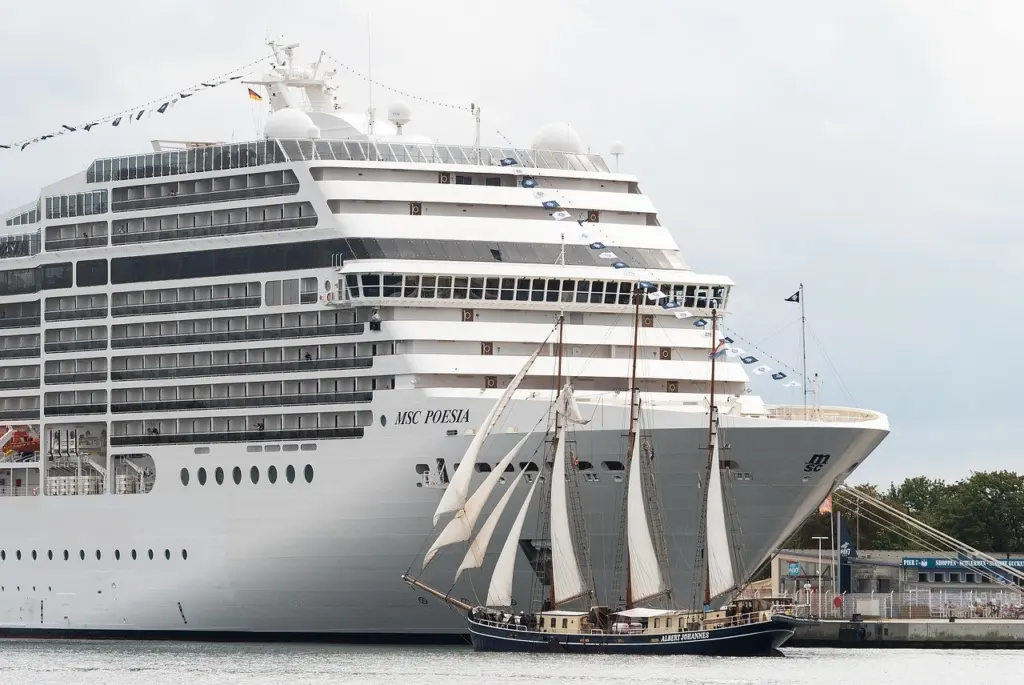
The sea route itself is the main draw. An 8-day Vancouver to Seward sailing crosses the Inside Passage, and the leg is described as a 500-mile stretch. The same overview says that cruises crossing the Gulf of Alaska are typically part of one-way itineraries between Vancouver and northern Alaska. Celebrity’s itineraries also call at ports such as Ketchikan, Icy Strait Point and Juneau.
The practical result is that you finish the voyage in a different country or a different part of Alaska from where you started. That is a benefit if you want to continue inland, and a planning task if you need to get home. The next question is which direction suits you.
Northbound versus southbound
Neither direction is better in general. The right choice depends on where you want your land time, which transfer you can manage most comfortably and how much the fare matters. A common assumption is that the two directions are mirror images. They are not, because the awkward transfer and the land extension fall on opposite sides of the ship.
| Factor | Northbound | Southbound | Planning use |
|---|---|---|---|
| Route | Starts in Vancouver and ends at a northern port such as Seward or Whittier | Ends in Vancouver | Pick the city you want to finish in before comparing ships. |
| Land extension | Usually after the cruise | Usually before the cruise | Decides where your hotel nights and rail or road days fall. |
| Hardest transfer | After disembarkation | Before embarkation | Build the most recovery time around this leg. |
| Fare tendency | One-way can be a bit pricier | Described as pricier, especially southbound | Compare whole-trip totals, not cruise fares alone. |
| Suits | Travellers continuing to Anchorage, Denali or another inland destination | Travellers who want a simpler return trip or a Vancouver city stay | Match direction to what happens after the ship. |
The direction differences above come from Horizon Outdoor’s one-way cruise guide and the fare tendency from GG Mack Travel’s route overview.
- Northbound suits inland plans. If your real goal is Anchorage, Denali or elsewhere inland, finishing at a northern port puts you closer to it, and the land extension naturally follows the ship.
- Southbound suits a simple exit. Ending in Vancouver simplifies the return trip or gives you a city stay. The cost is that the awkward transfer comes before boarding, so arrive in Alaska with room to spare.
- Price should be a tiebreaker, not the headline. A southbound sailing that costs more may still be the better trip if it removes a stressful post-cruise journey, but check the totals first.
Seward and Whittier are not Anchorage
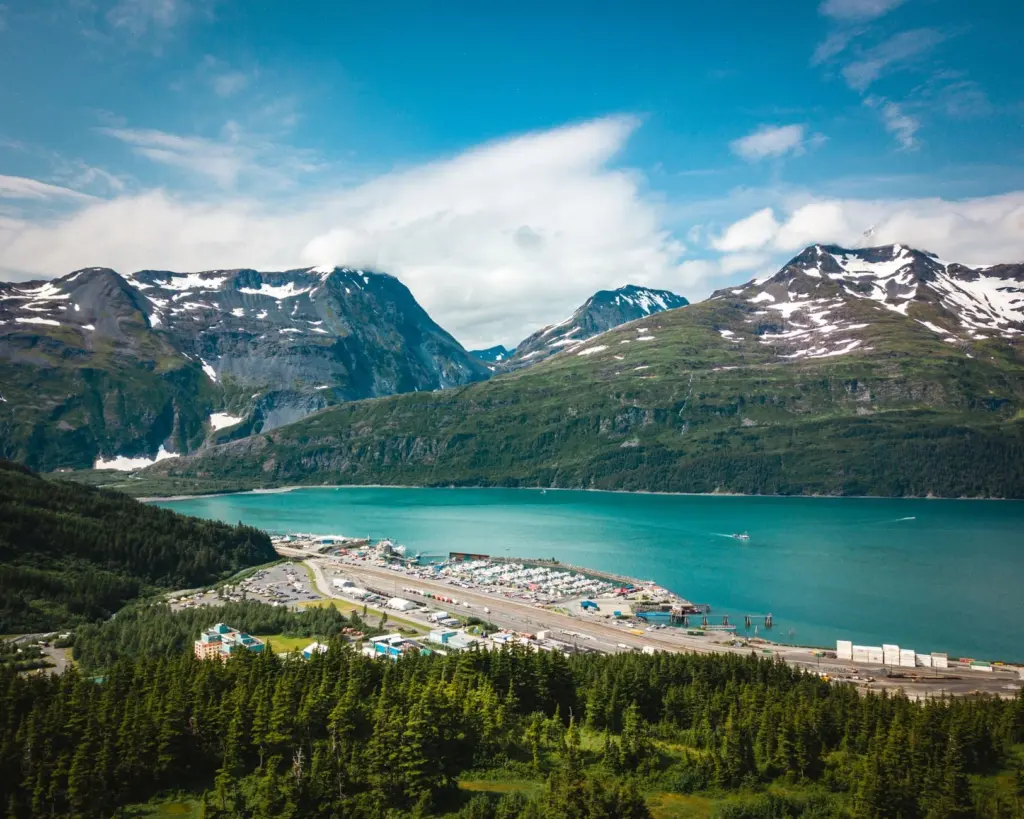
The most frequent misunderstanding is treating Anchorage as the cruise port. Seward and Whittier require ground transportation and time, and another trip review advises you to allow for transportation to Seward rather than treating Anchorage as the departure port.
So how do you get from Seward to Anchorage, or the reverse? By arranged ground transport, such as a rail trip, a coach or a private transfer, with real time set aside for it. One reviewed itinerary used a rail trip, and the checked luggage was transferred onward to the cruise ship. Ask your cruise line or transfer provider for the journey length and price before you buy flights, because the transfer time decides which flights are realistic.
Whittier follows the same logic as Seward. Whichever end port your sailing uses, treat the leg between the ship and your airport city as part of the itinerary, with its own timing, not as an afterthought.
Flights and open-jaw tickets
An open-jaw ticket brings you into one city and takes you home from another. For a one-way cruise, that often means arriving in Anchorage and departing from Vancouver, or the reverse, and that pairing needs its own ticket planning. The same review suggests comparing multi-city tickets with separate one-way fares when estimating your costs.
Are open-jaw flights more expensive? It depends on the fares for your dates and airports, so there is no safe general answer. Price a multi-city ticket and two separate one-way fares side by side, then add the transfer cost. Compare that total with the cruise fare you are weighing, since one-way sailings can already carry a premium.
Build in recovery time
A same-day plan with no recovery margin can turn a strong itinerary into a fragile trip. Leave margin around all four moving parts: the ship, the transfer, the hotel and the flight.
Check the actual sailing times
Timings vary by ship, but one reviewed Seward to Vancouver sailing showed a 9 p.m. departure from Seward and a 6 a.m. arrival in Vancouver on the final morning. A late departure gives you the day for the transfer. An early arrival ends the cruise before you have had breakfast on shore, so check the disembarkation time against any flight home before you book it.
Glaciers and land extensions
It is tempting to assume that one direction guarantees the better glaciers. It does not. Scenic features vary, and one-way routes may feature Glacier Bay, Hubbard Glacier or College Fjord, depending on the sailing. The reviewed Seward to Vancouver trip included Hubbard Glacier but not Glacier Bay. If one named glacier matters to you, check it in the day-by-day itinerary, and treat Juneau and the other named ports as the dependable part of the route.
The land portion deserves the same scrutiny. Independent travel can give you more control over pace and lodging, while a packaged cruise tour hands more of the transport and recovery planning to the operator. If you go independent, those transfer and margin decisions become yours. Packaged trips suit travellers who would rather not coordinate trains, hotels and flights themselves, and independent plans suit those who want to choose their own pace.
Comparing other cruise styles
If you are weighing Alaska against other kinds of voyage, the Nile River Egypt Cruise: Discover Ancient Wonders & Modern Comforts In 2026 – Electracruises covers a river itinerary, and the 5-Day Mediterranean Cruise: See Iconic Coastal Gems In One Short Getaway (2026) – Electracruises looks at a short sea getaway.
Frequently asked questions
| Question | Answer |
|---|---|
| Can I add days before or after a one-way sailing? | Yes. Celebrity says guests can arrive a few days early or spend a few days at the end of the trip in Seward or Vancouver. |
| Is there anything to do in Seward before boarding? | Seward is a gateway to Kenai Fjords National Park, and tours there feature glaciers, orcas, puffins and bald eagles. |
| What is a cruisetour? | A cruisetour is a package offered alongside one-way sailings that extends the journey into inland Alaska and Canada. |
| Should I confirm fares before paying a deposit? | Yes. Cruise fares, taxes, cabin categories and promotional terms change, so confirm them first, as Horizon Outdoor’s guide advises. |