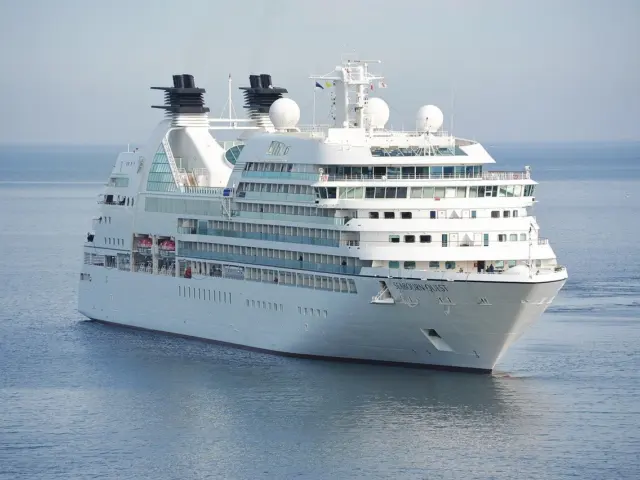
A small cruise ship can slip into harbours that bigger liners skip. Lines describe size in guest numbers, such as Windstar’s yachts serving fewer than 350 guests, and the trade-off is a quieter ship with fewer onboard diversions.
Once you know which scale suits you, our guide on how to book a cruise covers the practical steps of comparing sailings and reserving a cabin.
What counts as a small cruise ship
A small cruise ship is best judged by how many guests it carries and by what that scale lets it do. The lines publish their capacity in different ways. Windstar says each of its yachts serves fewer than 350 guests. SeaDream says each of SeaDream I and II has room for up to 56 couples. At the far end, a barge on the French waterways can carry only eight passengers.
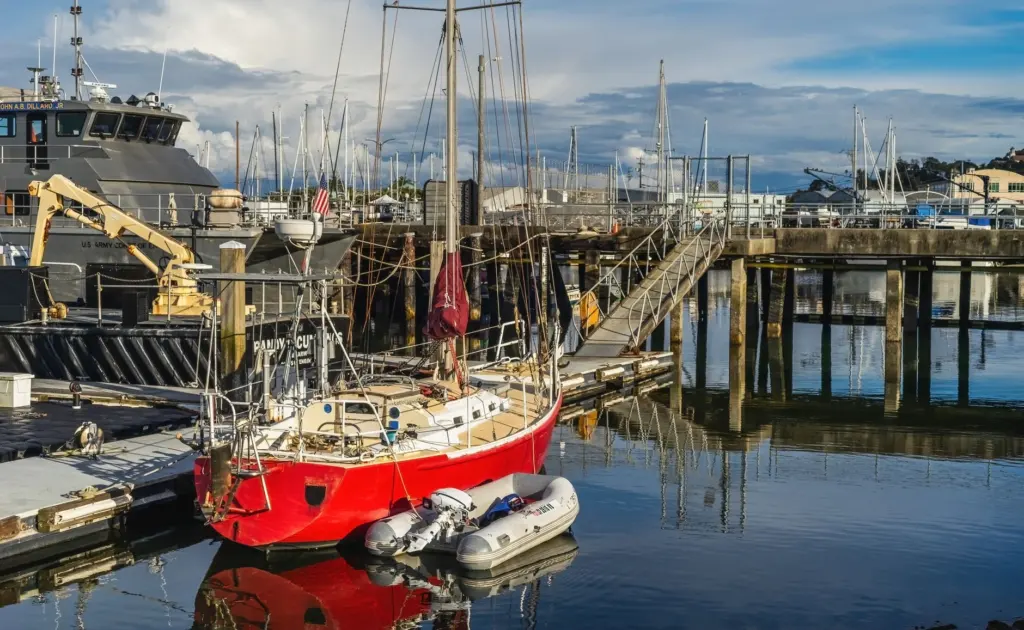
Scale changes the feel of the trip. A reviewer who had enjoyed cruises on 600 and 700 passenger ships found that being on the 312-passenger Windstar Star Pride kept producing surprising differences. The practical lesson is that “small” covers a wide band. Choose the capacity that matches the experience you want rather than the label.
| Vessel | Guest capacity | Planning use |
|---|---|---|
| Horizon II barge, French waterways | Eight passengers | The most personal scale in this comparison. It suits travellers who want a private-feeling trip on inland water rather than at sea. |
| SeaDream I and II | Room for up to 56 couples on each of SeaDream I and II; 95 crew for 112 guests | A high crew presence for the guest count. Look at this ratio if attentive service matters more than onboard venues. |
| UnCruise Safari Voyager | Up to 64 people | A small-group scale that suits wildlife and shore-focused itineraries. |
| Victory I, Great Lakes | 202 passengers | A larger small ship with post-dinner entertainment. It suits travellers who want a social evening as well as ports. |
Capacity figures come from Quirky Cruise’s small-ship roundup and SeaDream’s small-ship page.
Misunderstandings that skew the decision
Most disappointment with small ships comes from assuming they are a scaled-down version of a megaship, or a single product. These assumptions are the ones to correct before you commit.
- “Small only means fewer people.” Size also changes where a ship can go. Tauck says that because of the size of its ships, it is not restricted to commercial routes or large ports. SeaDream makes the mirror-image point: bigger cruise ships are often limited in their routes and must use commercial ports to dock. If the itinerary is your reason for choosing a small ship, the route matters more than the headcount.
- “All small ships are luxury yachts.” The category is broader than that. It includes Windstar’s yachts, a Ponant ship that Tauck describes as designed for intimate cruising, expedition vessels and eight-passenger barges. Fares and comforts differ across that range, so compare the specific ship rather than the category.
- “A small ship is the same trip with fewer crowds.” The itinerary philosophy is different. Tauck talks about seeking out hidden harbors and island getaways where big ships don’t go. A sailing built around those stops will spend its days differently from a port-to-port liner schedule.
Ports and waterways small ships can reach
Small ships can reach harbours and waterways that larger liners are not set up to use. The ports in question are small harbours, island stops and narrow passages rather than the major commercial terminals.
Hidden harbours and island stops
Tauck’s small-ship cruising page promises hidden harbors and island getaways and presents routing freedom as a direct result of ship size. The reasoning is simple. A ship that does not need a commercial port can anchor or dock where a big ship cannot, so the shortlist of ports is longer. When you compare itineraries, look for stops you do not recognise from mainstream cruise schedules. That is where the small-ship advantage shows.
Waterways closed to larger ships
SeaDream adds that small ships can use waterways only accessible by small cruise lines. This suits travellers who care about the passage itself, not only the destination at the end of it. If you are drawn to inland water rather than open coast, Best River Cruise Lines In Europe: The 2026 Guide To Luxury, Value, And Routes – Electracruises compares river operators on routes and style.
Expedition ships and shore landings
Expedition ships are small ships built around getting passengers from the water onto the shore. Tauck describes its offering as expeditionary cruises to exotic locations, from the sea to the shore. That wording matters when you compare products. An expedition sailing is planned around landings and the places reached, so the ship is the means of access rather than the main attraction.
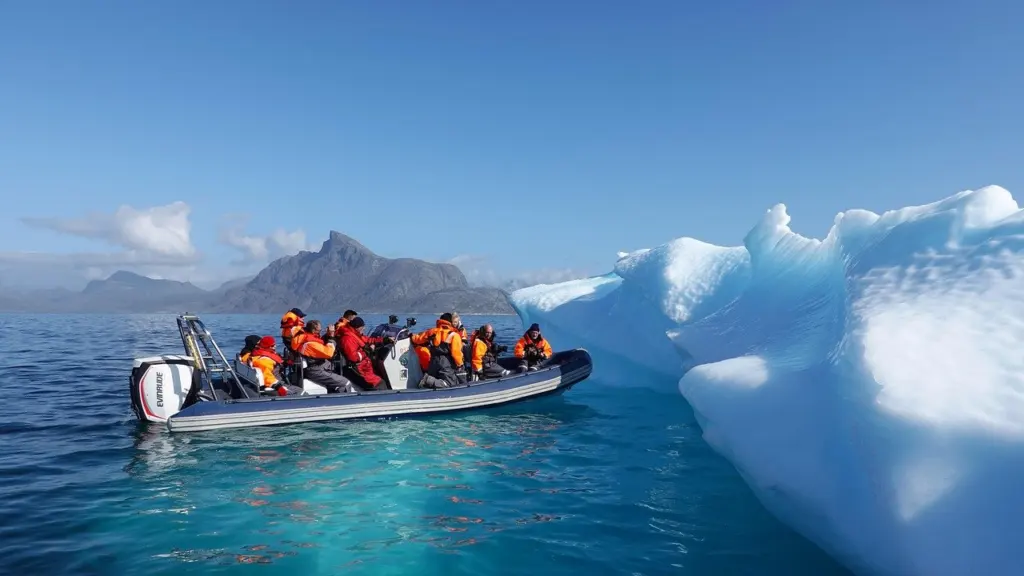
That focus has consequences for how you choose. If you want shore time, check how landings are organised and what the programme includes, and whether the sailing is led by dedicated expedition staff. If you mainly want scenery from a comfortable deck, a conventional small-ship itinerary may suit you better than a landing-heavy expedition.
Weighing cost against the experience
Small ships are worth the cost when the itinerary is the reason you are cruising, and less so when you want a full onboard programme. What you are paying for is access to places big ships cannot reach and a more intimate scale. Venues and entertainment are not part of that exchange.
Reviewers are candid about the other side. The Windstar reviewer noted that there were not that many places to go on board. On Victory I, days onboard are mostly quiet until the post-dinner entertainment. If you expect several things to do at every hour, that rhythm will feel thin. If you plan to spend days ashore and want a calm ship to return to, it is the point.
- Best suited to: travellers who prioritise ports, waterways and wildlife access, and who are happy with a quieter ship between stops.
- Think twice if: you want a busy programme of shows and venues, or you want to rely on the ship for entertainment on sea days.
- Compare on: guest capacity, crew-to-guest ratio, what the fare covers and how much of the route uses ports a big ship could also visit.
If you want to follow a sailing after you have booked, Cruise Ship Tracker Live: How To Follow Ships In Real Time (2026 Guide) – Electracruises explains how.
Frequently asked questions
| Question | Answer |
|---|---|
| Can a small cruise ship transit the Corinth Canal? | Yes, on some lines. SeaDream cites the Corinth Canal passage as an example of waterways only accessible by small cruise lines, and Windstar lists transiting the canal among experiences only Windstar delivers. |
| Do small cruise ships feel rough at sea? | It depends on the route and season. One reviewer saw that some passengers did struggle with the movement. On the Baja route, seas can be quite rough in winter during El Norte winds. Check seasonal conditions for your route and prepare for motion if you are prone to it. |
| Are Windstar’s ships expedition ships? | Windstar describes its fleet as small-ship yachts, and it lists Signature Expedition guides in Alaska as part of its sailings there. Ask whether your specific itinerary includes that guide programme before you assume an expedition-style trip. |