| Vessel (type) | Date and place | Outcome | Planning use |
|---|---|---|---|
| Costa Concordia (cruise ship) | 13 January 2012, near Giglio | Capsized after striking land; at least 17 deaths reported | The modern reference case. Drill and evacuation reviews followed. |
| MS Estonia (cruise ferry) | September 1994, Baltic Sea, Tallinn to Stockholm route | 852 deaths; 137 people rescued | A ferry, so a weak benchmark for ocean cruising. |
| SS Admiral Nakhimov | August 1986, Tsemes Bay | Collision; 423 of 1,234 people aboard died | Shows the scale of older passenger-ship losses. It says little about a modern booking. |
| Aleksandr Suvorov (river cruise ship) | June 1983, Volga-Don basin | 176 of 415 people aboard died | A river vessel. Check the category before applying it to sea cruises. |
| RMS Titanic | April 1912 | More than 1,500 of 2,208 people aboard died | A historic benchmark, not a measure of current risk. |
Dates, vessel types and tolls come from Ship Technology’s roundup of deadly cruise disasters and Ships Monthly’s report on the Costa Concordia.
When was the last cruise ship to sink? In this timeline the latest entry is the Costa Concordia, which struck land near Giglio and capsized on 13 January 2012, though the answer shifts if ferries and liners are included.
If you are weighing safety as part of choosing a ship, our guide on how to book a cruise covers the wider planning decisions.
What the timeline means when you book
The timeline is best read as a set of reference points for judging news stories and ships, not as a reason to rule cruising out. Four practical conclusions follow from it.
- Treat the Costa Concordia as the modern reference case. Ships Monthly reported that the captain had manoeuvred the vessel too close to land, and that all major cruise lines then agreed to reassess evacuation and drill procedures. The lesson that reached passengers was about drills and evacuation, not about avoiding ships.
- Check which vessel type a statistic describes. Before applying any disaster figure to your own trip, find out whether it concerns an ocean cruise ship, a ferry, an ocean liner or a river vessel. The next section explains how the entries differ.
- Keep old tolls in context. The heaviest losses in the table belong to older vessels such as the Titanic, according to Ship Technology. They are poor guides to the ship you will board.
- Put safety arrangements beside price and ports. Drill practice and lifeboat provision, covered below, are worth weighing when you compare itineraries.
Short sailings raise the same questions as long ones. Our guide Set Sail Fast: The Ultimate Guide To Planning A Perfect 3-Day Cruise From Galveston (2026) – Electracruises shows how one compact itinerary comes together. Paperwork belongs on the same checklist, and our guide on do you need a passport for a cruise covers the document side of departure.
Which losses count as cruise ship sinkings
Lists of cruise disasters mix several vessel classes, so the answer to “the last sinking” depends on what you count. Ship Technology describes the Empress of Ireland as an ocean liner on the North Atlantic route between Quebec and Liverpool. It sank in the Saint Lawrence River in May 1914, and 1,012 of the 1,477 people aboard died. The Lusitania, lost in May 1915 on a voyage from New York to Liverpool, caused 1,201 deaths.
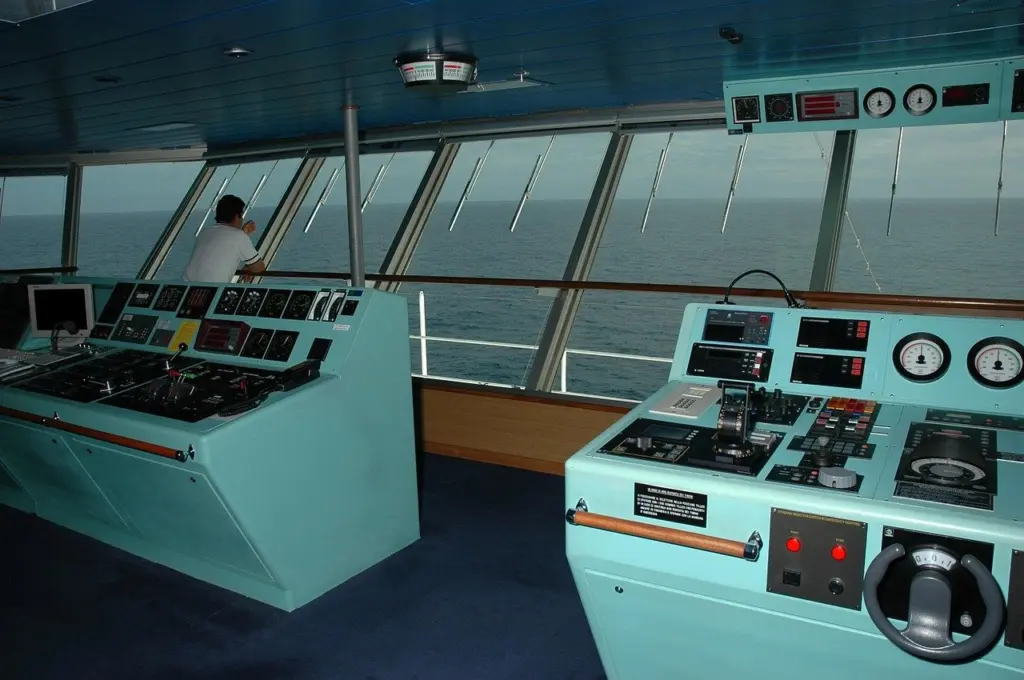
The same roundup classes the MS Estonia as a cruise ferry and the Aleksandr Suvorov as a river cruise ship. Neither is an ocean cruise ship in the everyday sense.
The Costa Concordia fits the everyday picture. It was on a seven-day Western Mediterranean cruise when it was lost, according to Ships Monthly. Reports describe it as capsizing rather than sinking beneath the surface. That is why this page treats it as the answer to the headline question and keeps liners, ferries and river vessels as separate context. If you count ferries too, the most recent entry in this list moves back to the Estonia in 1994.
What caused the Costa Concordia loss
The reported cause was navigation. Ships Monthly says the ship was sailing at 15.5 knots when it struck near Giglio at about 21:42 local time on 13 January 2012. It had left Civitavecchia two hours earlier. The report says the captain, Francesco Schettino, had manoeuvred the vessel too close to land.
The damage was a long breach below the waterline. Ships Monthly describes a 50m-long gash below the waterline that caused the ship to list severely on her starboard side. ABC News reported the rocks tearing a 160-foot gash in the hull, causing the ship to tip. The outlets use different units, and both describe a breach large enough to make the ship tip.
A navigation error followed by a long hull breach is a different failure from weather or collision. That distinction matters for the safeguards covered next.
Safety design, drills and lifeboats
Hull and backup systems
Reporting by ABC News explains that cruise ships are designed with their hulls divided into watertight sections, so a ship should stay afloat if two sections are breached. The same report quotes a Coast Guard view that cruise ships carry redundant back-up systems, including backup generators and fire pumps.
Cruising compared with other travel
A list of disasters cannot rank cruising against flying or driving, because that comparison needs casualty rates per passenger trip. What the list does show is that the largest tolls belong to older entries, while current ships carry the watertight compartments and backup systems described above. For a booking decision, that supports judging the individual ship and its safety arrangements rather than relying on a general fear of the whole category.
Drills and life-saving equipment
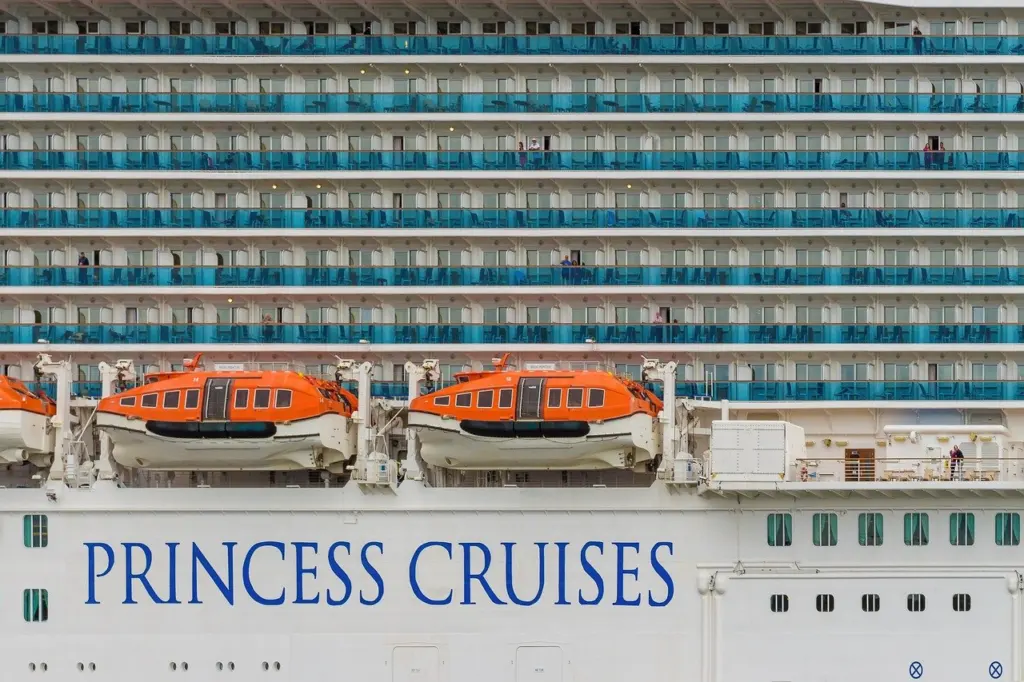
Cruise ships must hold an evacuation drill within 24 hours of setting sail, and they must carry enough life jackets and lifeboat space for everyone aboard, according to ABC News. The evacuation drill is what passengers know as the muster drill. After the Costa Concordia, Ships Monthly reports, all major cruise lines agreed to reassess their evacuation and drill procedures. The drill is therefore the safeguard where industry practice was reviewed most directly.
What passengers can do on board
Passengers cannot change a ship’s design, but they can make the required safeguards work for them.
- Treat the muster drill as a real briefing. It is the one point where the crew shows every passenger how an evacuation is meant to run, so put your phone away and listen.
- Learn the way from your cabin to your muster point. A ship’s equipment only helps if you can reach it, and this is the part of an evacuation you can rehearse yourself.
- Follow crew instructions in a real alarm. Evacuation depends on crew members managing the flow of people toward lifeboats.
- Read the news by vessel type. When a new incident is reported, check whether it involves an ocean cruise ship, a ferry or a river vessel before drawing conclusions about your own sailing.
Frequently asked questions
Did weather cause any of the disasters on the list?
Yes, in some cases. Ship Technology attributes the MS Estonia loss to rough sea conditions in the Baltic Sea, with wind of 35 to 45 mph. ABC News reports that three large waves struck the Louis Majesty off the coast of Spain in 2010, killing 2 passengers.
Why do reports of Costa Concordia numbers differ?
Early reporting changed as events unfolded. ABC News put the toll at five around 15 January 2012 and cited 4,234 passengers and crew aboard. Ships Monthly reported at least 17 deaths and counted 3,216 passengers and 1,013 crew, a total of 4,229.
Do river and estuary disasters appear on cruise disaster lists?
They do. Ship Technology includes the SS Eastland, which claimed more than 844 of 2,500 people aboard in the Chicago River in July 1915. It also lists the Saint-Philibert disaster in the Loire Estuary in June 1931, with about 500 lives lost. Both are inland or estuary events, so they are weak comparisons for ocean cruising.