Picture booking an Alaska cruise in July for guaranteed sunshine, then watching rain settle over Ketchikan. July is a strong month, but the Southeast coast stays mild and wet, so it suits travellers who plan for layers.
If you are still deciding where to sail, start with the best cruise destinations for first timers, then come back here for what July specifically offers.
Is July a good time for an Alaska cruise?
Yes, for most travellers. AlaskaCruises.com describes June and July as usually offering the best balance of mild temperatures and manageable rainfall. It also notes that July is typically the warmest month across many Alaska cruise ports and inland stops. Warmest does not mean dry, though, and that is the main condition on the answer.
Daylight adds to the case for July. Alaska.org points to incredibly long daylight hours that give an extended window each day, with few hours of darkness even in Anchorage and Denali. For a trip built around deck time and scenery, that extra light matters. The sections below separate three things that are often blurred together: how warm July is, how wet it is, and which parts of the trip depend on your route.
July weather in the main cruise ports
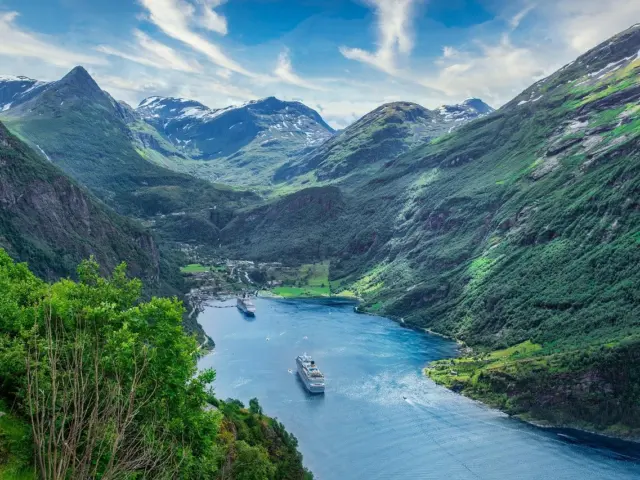
The weather question has a simple answer for Southeast Alaska. Alaska.org says the region, including Juneau and Ketchikan, tends to be milder and wetter than the rest of the state, with temperatures around 55ºF to 65ºF (13ºC to 18ºC) and frequent rain showers. Expect cool, changeable days rather than beach weather.
The two ports most often paired on Inside Passage itineraries show the difference between “mild” and “wet” clearly.
| Port | July average high | July average precipitation | July daylight | Planning use |
|---|---|---|---|---|
| Juneau | 64°F | 5.14 in | 18 hrs | Plan outdoor time with a rain layer ready; the lower rainfall figure of the two ports makes it the easier day for flexible, walk-around plans. |
| Ketchikan | 65°F | 7.33 in | 17 hrs | Treat wet weather as the default and choose excursions that still work in rain. |
Port averages come from the AlaskaCruises.com weather guide.
Ketchikan’s July precipitation is higher than Juneau’s, and the same guide notes that Ketchikan has the highest seasonal rainfall totals among the cruise destinations it lists. Temperatures are almost identical between the two ports, so rainfall, not warmth, is what separates a comfortable shore day from a soggy one. Rain, not cold, is the realistic weather risk of an Alaska cruise in July.
Daylight in July versus June
A common assumption is that July has the longest days of the year. In the port figures, it does not quite. Juneau’s June peak is 18.5 hrs of daylight and July follows at 18 hrs; Ketchikan peaks at 17.5 hrs in June and has 17 hrs in July, according to the AlaskaCruises.com data.
The practical difference between June and July is small. July still sits close to the seasonal peak, so evening shore time, late glacier or wildlife watching and photography remain easy to fit around port schedules. Choose June over July only if you want the very longest days; choose July if warmth matters more to you.
Wildlife you can plan around in July
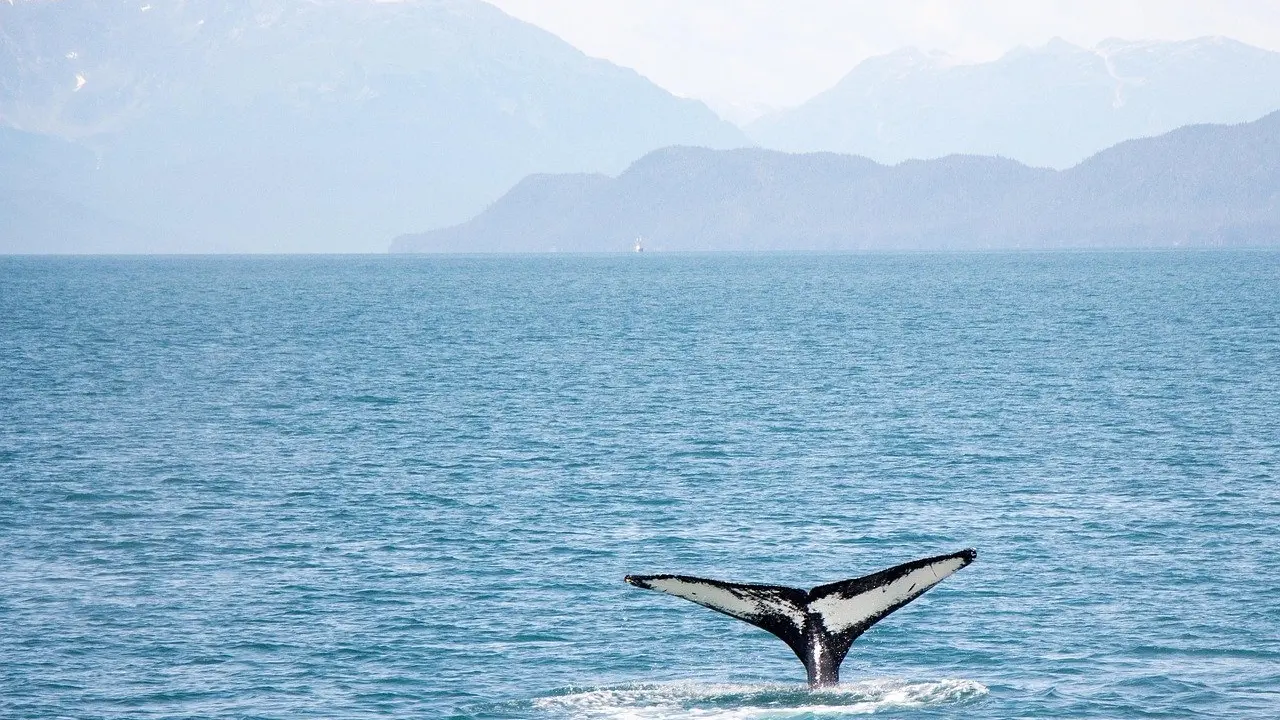
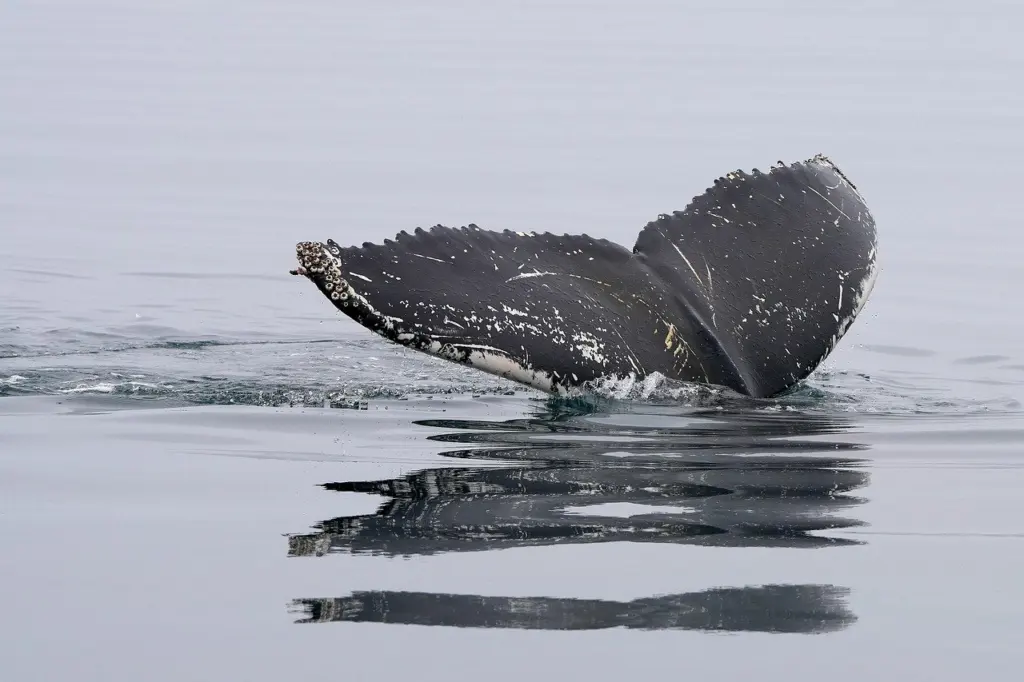
Marine wildlife is a large part of the appeal. Alaska.org lists orcas, humpbacks, sea otters, sea lions and shorebirds among the animals to watch for on the water in July. Humpback whales are the headline species for many sailings, and the wide water of the Inside Passage gives plenty of room to scan from the rail.
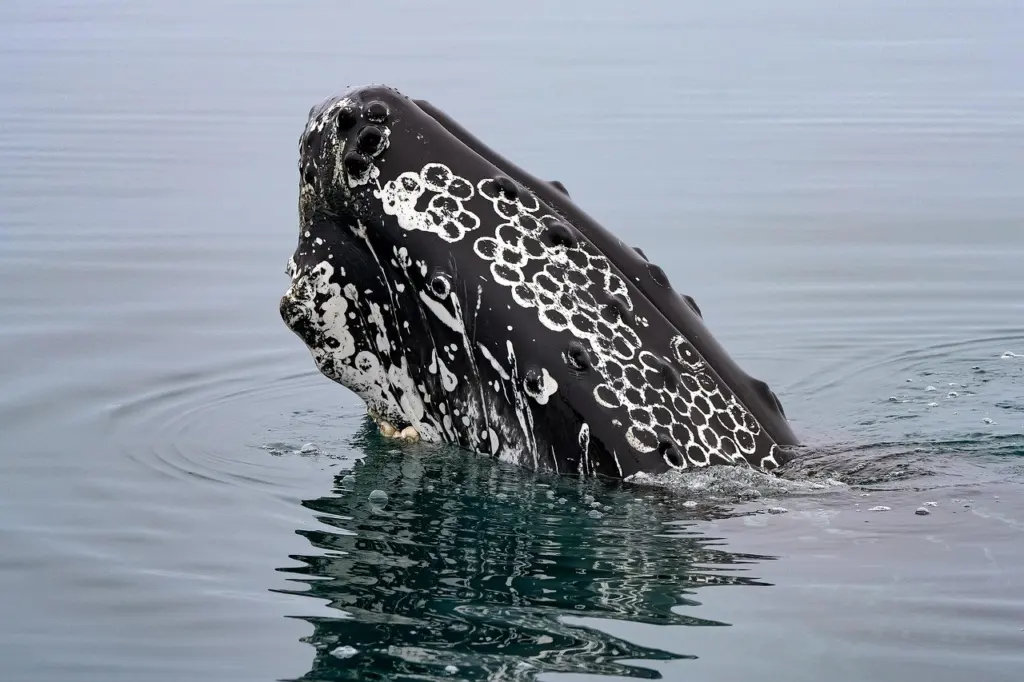
Do not treat any wildlife list as a promise. Species appear in a season, not on a schedule, so the sensible approach is to build your days around views and ports you would enjoy anyway and treat each sighting as a bonus. If you want more control over wildlife time, look at excursions that focus on the water rather than relying on chance from the ship alone.
July also helps on land. Alaska.org notes that snow and ice at higher elevations have mostly melted by then, which opens up trails, so guided hikes from port are a realistic option.
Routes and ports: Inside Passage, Juneau, Ketchikan and Glacier Bay
Inside Passage ports
Another misunderstanding is that every Alaska cruise is the same sailing. Alaska.org groups Juneau, Ketchikan and Skagway as cruise ports on the Inside Passage. NOAA’s marine forecast zone for Southeast Alaska Inside Waters runs from Dixon Entrance to Skagway, which gives a useful sense of the water these itineraries cover. Itineraries that stay in this sheltered stretch trade wide-open ocean for a sequence of town stops, and they suit first-timers who want scenery plus easy shore days.
Glacier Bay
Glacier Bay is not a port in the same sense. Alaska.org lists Glacier Bay National Park among the national parks reached by cruise or air. If glaciers are your priority, check that the itinerary names the park rather than assuming it appears on every Alaska route. Because ship choice shapes which of these places you see, the guide to the Best Cruise Line for Alaska in 2026: Find the Right Ship for Glaciers, Wildlife, and Your Budget – Electracruises is a useful next step once you have settled on July.
Reading the forecast and planning your layers
Two habits make July sailings easier. Both come from the same idea: the forecast you need depends on where you will be.
- Town weather and sea conditions are different things. The National Weather Service office in Juneau issues the Southeast Alaska coastal waters forecast for NOAA. It gives wind in knots and sea height in feet, and the sea figure is the average of the highest one-third of the combined wind wave and swell height, not the single biggest wave.
- Layer for mild, not warm. With Southeast temperatures around 55ºF to 65ºF (13ºC to 18ºC), per Alaska.org, a stack of light layers beats one heavy coat, since you will move between decks, towns and trails.
- Match the month to your goal. July suits travellers who want warmth, long days and marine wildlife together. If your priority is the very longest daylight, June edges ahead; if it is a different kind of summer sailing altogether, the 5-Day Mediterranean Cruise: See Iconic Coastal Gems In One Short Getaway (2026) – Electracruises shows what a shorter option elsewhere looks like.
Frequently asked questions
| Question | Answer |
|---|---|
| Which parts of Alaska are warmest in July? | The Interior is warmest: Alaska.org gives average temperatures of 60ºF to 80ºF (15ºC to 27ºC) around Fairbanks, warmer and drier than Southcentral. Anchorage and Southcentral range from 55ºF to 70ºF (13ºC to 21ºC). Those are land-extension conditions rather than Inside Passage port weather. |
| Should I pack a rain layer for late July? | Yes. Alaska.org advises bringing a rain layer, especially if you are travelling toward the end of the month. |
| Does July bring bears? | Mid-July marks the largest congregation of brown bears at Brooks Falls, according to Alaska.org. If bears are a priority, consider whether a land extension fits your plans, since a Southeast cruise itinerary will not necessarily include it. |
| Is there still snow on trails in July? | Mostly not. Alaska.org reports that snow and ice at higher elevations have mostly melted by July, which opens up hiking trails. |