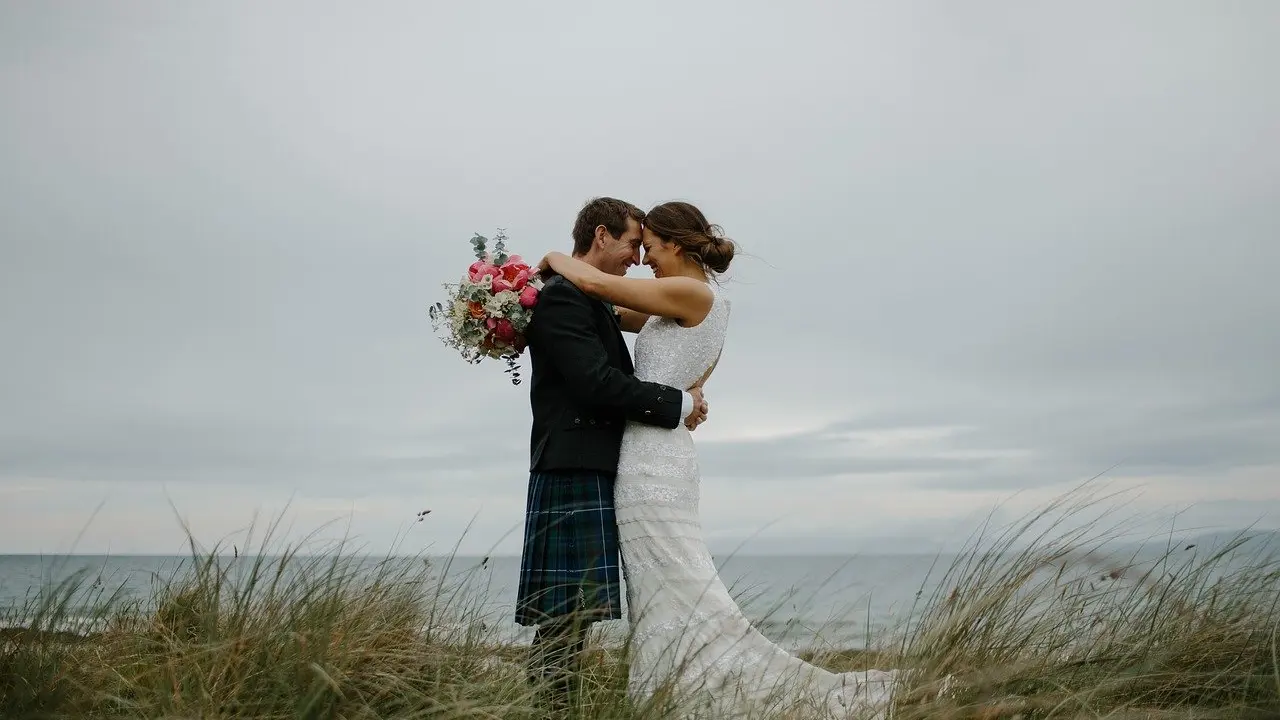
A couple pictures barefoot vows, then worries about flights and paperwork. A beach destination wedding is realistic when you settle the venue and the legal route first, then budget around what each package actually includes.
If a fixed stretch of shoreline feels like too many moving parts, it is worth asking can you get married on a cruise ship before you commit to a site.
Common misunderstandings about planning a beach wedding abroad
Most stress on a beach destination wedding comes from assumptions made too early: that a shoreline wedding means a passport, that paperwork only counts at home, that a package covers everything, or that a planner just handles flowers. Venue pages show where each assumption breaks down, and the table below sets them side by side.
| Common assumption | What the venue evidence shows | Planning use |
|---|---|---|
| A beach destination wedding always means international travel. | Palm Island Resort markets Southwest Florida beach weddings on a private island as needing no passport. This is a venue marketing claim. | Compare a domestic island venue against a Caribbean one if guest travel is the main worry, and confirm what “no passport” means for your own situation. |
| A wedding abroad will not count at home. | Sandals says Caribbean vows are legally binding, and its planning team helps get required documents where they need to go so the marriage is recognised in your home country. | Ask early who files what, and in what order, rather than assuming the venue does it all. |
| The package price covers the whole day. | Sandals offers private group catering with premium cocktails and hors d’oeuvres for an additional cost. Palm Island beach packages include a champagne toast and cake cutting. | Request an itemised list of inclusions and extras so quotes can be compared fairly. |
| A planner only decorates. | Palm Island’s event planner guides couples through transportation, lodging, menu selection and special dining experiences. Sandals assigns a dedicated planning team. | Use the planner for logistics and paperwork routing, not just styling. |
Figures and claims above come from Sandals’ beach wedding page and Palm Island Resort’s wedding page.
- Treat packages as a starting point. A package tells you what is bundled. The extras are where budgets drift.
- Separate marketing from rules. A venue’s “no passport required” or “legally binding” line describes its own offer. Your nationality, your home registry and your guests’ circumstances still decide what applies to you.
- Decide the legal route before the aesthetics. Colours and chair styles are easy to change. A missed document is not.
What a beach destination wedding costs
The evidence supports no single all-in figure, because the total depends on the venue, the guest count and the extras you add. A more useful approach is to price the pieces separately and test the venue before you pay for the full event.
One low-risk way to do that is a preview stay. Sandals offers a test-drive for $275 per couple per night, for up to three nights at a special rate. That rate covers the preview stay only and is not the cost of a wedding. For a couple weighing a resort ceremony, it is a way to see the setting, the service and the layout before committing.
Build the budget around these lines:
- Venue and ceremony setting. Ask what the ceremony fee covers, such as the arch, seating and sound, and what must be hired separately.
- Catering and bar. Private group catering at Sandals is an extra charge, so price food and drinks apart from the ceremony.
- Travel and lodging. Your own costs and your guests’ costs are separate lines, and guests decide faster when you share dates and hotels early.
- Legal and paperwork costs. Add fees for the marriage licence and any document handling once your planner confirms the route.
- Contingency. Keep a reserve for weather moves and last-minute rentals. It is a judgement call rather than a fixed percentage.
An all-inclusive package suits couples who want one price and fewer decisions. A venue with separate add-ons suits couples who care about a few details and are happy to trade some control for a lower base cost.
Marriage licence and legal paperwork
The marriage licence and supporting documents are set by the country where you marry and by the place where you need the marriage recognised, so the exact list has to come from your venue’s planner and the local registry. Your planner’s role is to route the documents correctly.
Sandals states that its planning team will help get all required documents where they need to go so the marriage is recognised in the couple’s home country. That is useful, but it is a service description rather than a checklist. Take these steps:
- Ask the venue for the full document list and deadlines in writing.
- Confirm which documents come from you and which the planner handles.
- Check with your home authority that the marriage will be recognised where you live.
- Keep digital and printed copies of everything with you when you travel.
Start this work before you send save-the-dates. If your dates are tight, paperwork deadlines can rule out a venue that otherwise looks perfect.
Venue permits and the wedding planner
Venue permits are the part of a beach wedding most couples never see, which is a good reason to book a planner or a package that handles them. Seas the Day Beach Weddings says its all-inclusive packages handle the details from permits to coordination.
When you compare planners or venue teams, ask directly who applies for the permits, who pays any fees, and who is responsible if a permit is delayed. A planner earns their fee by taking over exactly these tasks. According to Palm Island Resort, its event planner also guides couples through transportation, lodging, menu selection and pre- and post-wedding events. That suits couples organising from another country, where site visits are expensive.
Choosing the setting: Caribbean or closer to home
Choose by guest travel first and scenery second. The Caribbean suits couples who want a resort team and a recognisable island setting. Sandals says all 17 of its locations are wedding destinations, with settings including an over-the-sea chapel, a glass runway and tropical gardens. For island-by-island detail, read The Ultimate Caribbean Destination Wedding Guide: Plan A Picture-Perfect Celebration In 2026 – Electracruises.
A US-based venue can simplify things for guests who would rather not fly abroad. Palm Island Resort is a private island near Sarasota and Port Charlotte, Florida, and offers a choice of beach or lawn ceremonies, with a covered courtyard and the resort clubhouse for receptions. On the Gulf Coast, Seas the Day describes its beaches as having sugar-white sand, sunset views and calm emerald waters. Treat those as vendor descriptions and ask for recent photographs of the exact stretch you would use.
Venue setup and ceremony layout
A good beach layout keeps guests on stable ground and gives everyone a clear view of the couple and the sea. Walk the site with your planner or send them a request for a site plan, and mark where seating, the aisle, sound and vendor access will go.
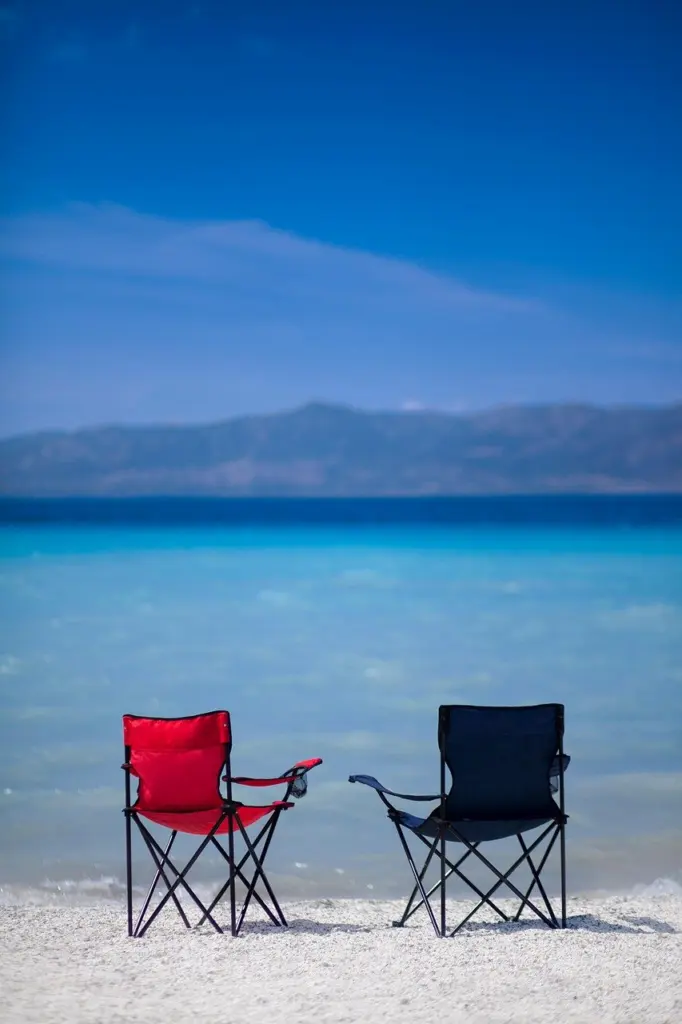
- Footing. Soft sand is hard on heels and mobility aids, so ask whether the venue can lay an aisle runner or a firmer path.
- Shade and sun. Check which way the seating faces and whether any shade can be added for older guests and children.
- Water line. Ask where the water reaches at your ceremony time, and keep seating and equipment well back from it.
- Backup space. Ask which indoor or covered area the venue would use if conditions turn, such as a covered courtyard or clubhouse.
- Decor and noise. Confirm local rules on decorations and sound before you buy props.
Guest comfort and dress
Guests are most comfortable when you tell them early what to wear and what to expect underfoot. Breathable fabrics and shoes that cope with sand, such as flat sandals or wedges, are practical suggestions for a sand ceremony. Add a welcome note with timings, walking surfaces and sun reminders.

On the day, place drinking water and shaded seating near the ceremony, and give older guests and anyone with limited mobility a spot close to the entrance. If guests want to go barefoot, a basket of spare sandals at the aisle start keeps the flow tidy.
A cruise as the alternative or the follow-up
A beach site is not the only route to an ocean-view celebration. Couples who want a ceremony without managing a separate venue can look at a cruise ship wedding, and those already legally married may prefer a vow renewal cruise. Either route can also double as the honeymoon, so travel plans are settled in one booking decision.
Frequently asked questions
| Question | Answer |
|---|---|
| Are Caribbean beach weddings legally binding? | Sandals states that vows made at its Caribbean locations are legally binding. Confirm the recognition steps for your home country with the planner before you travel, as described on Sandals’ beach wedding page. |
| Which Caribbean islands does Sandals name for weddings? | Its page names Saint Vincent, Curaçao, Jamaica, the Bahamas, Saint Lucia, Antigua, Grenada and Barbados. |
| Where does Seas the Day hold Gulf Coast beach weddings? | The company lists Destin, Panama City Beach, Pensacola Beach and Naples/Marco Island on its website. |
| Does a beach wedding package include permits? | It depends on the provider. Seas the Day says permits and coordination are handled within its all-inclusive packages, so ask any other venue to confirm in writing who handles them. |