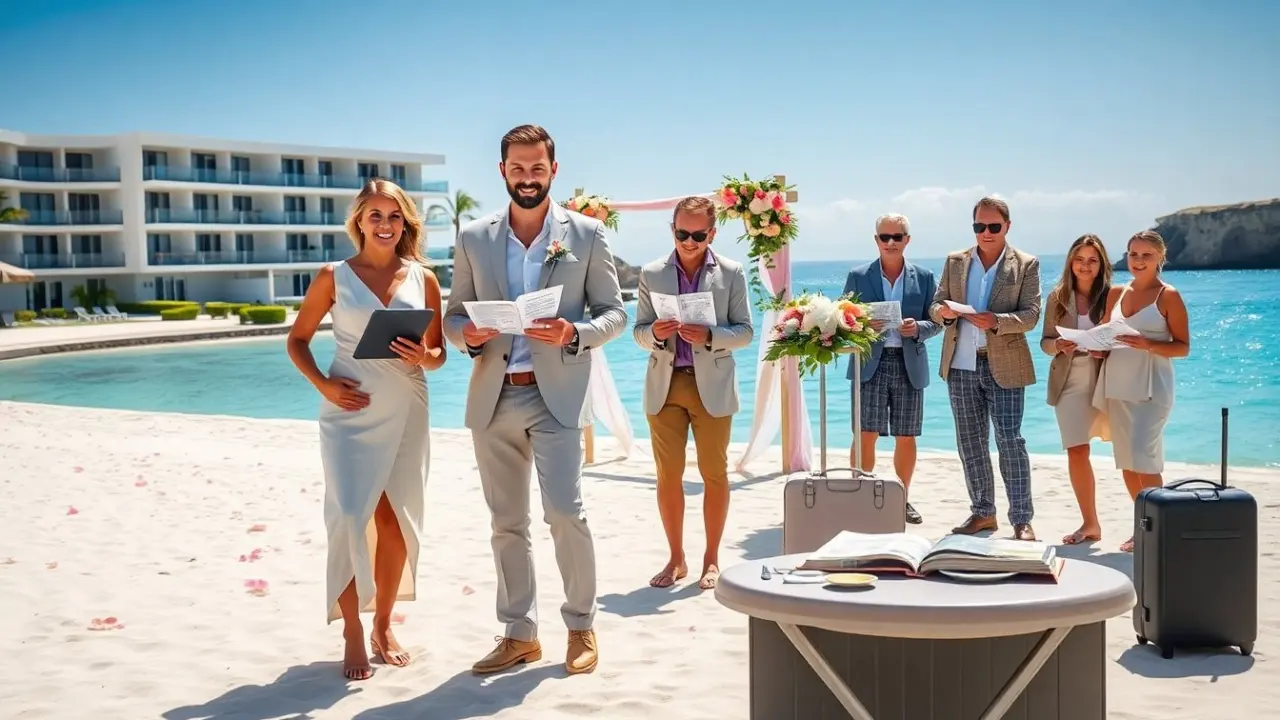
A caribbean destination wedding offers sun, sand, and simple planning, but it can also involve layers of logistics that benefit from clear guidance. Couples typically pick an island, hire local vendors, and set a date, then coordinate travel and accommodations for guests. This guide expands on realistic costs, legal steps, vendor selection, and travel tips so couples can make informed choices. It helps couples compare islands and venues, set a practical timeline, and communicate expectations to guests. Whether you want an intimate beach elopement or a multi-day resort celebration, the right prep turns a caribbean destination wedding into a relaxed, memorable experience.
Key Takeaways
- A Caribbean destination wedding offers reliable warm weather, scenic backdrops, and local vendors to simplify planning and combine ceremony with honeymoon.
- Couples should select islands and venues based on travel access, guest comfort, and available services, confirming contracts include all fees and cancellation terms.
- Popular islands like Jamaica and the Dominican Republic provide lively resorts, cultural flair, and direct flights, making them convenient and festive wedding locations.
- Setting a budget with a 10% contingency and allowing six to nine months for legal paperwork and vendor bookings ensures smooth planning of a Caribbean destination wedding.
- Guests benefit from early flight and accommodation bookings, clear communication on travel details, and packing appropriately for warm days and cooler evenings.
Why Choose The Caribbean For Your Destination Wedding?
The caribbean destination wedding gives reliable warm weather and scenic backdrops year-round on many islands, making it easy to plan outdoor ceremonies. Couples find beaches, botanical gardens, cliffside overlooks, and historic estates for vows, each offering different photographic and guest-experience possibilities. Many islands host experienced wedding teams and offer all-inclusive packages that consolidate coordination of flowers, catering, permits, and day-of logistics. The Caribbean destination wedding often lowers guest travel time from North America and Western Europe compared with farther destinations, which can increase attendance and keep travel costs reasonable.
Beyond convenience, the destination offers cultural and culinary variety—local music, fresh seafood, tropical fruit, and traditional elements that can be woven into a ceremony or reception. Vendors on popular islands are used to packaging ceremonies and receptions for groups, which can simplify planning but still requires clear contracts and a point person. Weather varies by month and by microclimate, so couples should research historic weather patterns for their chosen island and pick dates with lower hurricane and rainy-season risk. For couples who value privacy and a slower pace, smaller islands or boutique villas provide quiet alternatives to large resorts.
Top Islands And Ideal Venues
The caribbean destination wedding fits many styles, from barefoot beach ceremonies to elegant villa receptions. Couples can choose lively resorts with on-site coordinators and guest activities, private villas for exclusive use, boutique hotels with personalized service, or public beaches combined with a nearby reception venue. Each island offers different venue types and service levels, so it helps to shortlist islands based on style, guest needs, and travel logistics.
When vetting venues, review recent guest feedback and ask for sample wedding-day timelines, vendor lists, and photos from similar events. Confirm what is included—chairs, arches, sound systems, lighting, permits, and cleanup—and which items are extra. If preferred vendors are not local, check whether the venue allows outside vendors and whether there are setup fees. Consider accessibility for older guests, proximity to emergency services, and indoor backup options in case of unexpected weather.
Jamaica & Dominican Republic: Lively Resorts And Cultural Flair
Jamaica and the Dominican Republic host many large resorts that serve groups well and are often favored for a caribbean destination wedding because of their range of amenities and established wedding departments. Resorts typically include wedding coordinators, customizable ceremony packages, buffet or plated meals, entertainment options, and organized excursions for guests. Couples can incorporate cultural elements such as live drumming, traditional dances, or local dishes to give the celebration regional character.
These islands are known for more frequent direct flights from major cities, which simplifies guest logistics, and they offer options across price points depending on room blocks and extras. When planning at a resort, confirm noise ordinances, permitted ceremony locations (public beach vs private stretch), and any permit or vendor insurance requirements. For more private or unique settings—plantation houses, cliffside villas, or secluded coves—engage a local coordinator early to navigate permits, transport, and setup constraints.
Budgeting, Legalities, And A Practical Planning Timeline
A caribbean destination wedding requires an upfront budget for travel, venue, and vendors, and it benefits from breaking costs into categories: venue and food, travel and accommodation for the couple and any contracted vendors, photography and videography, decor and flowers, officiant and permits, entertainment, and contingency. While exact amounts depend on location and guest count, plan for a contingency of about 10% and allocate funds for potential shipping or import fees for special items.
Legal requirements vary by island and may include marriage license applications, required documentation (passports, birth certificates, proof of single status), waiting periods, or in some cases medical tests. Start researching legalities as soon as you set a date and confirm whether the ceremony performed abroad will require a local civil ceremony to be legally recognized. Working with a local wedding planner or the resort’s wedding team can simplify the paperwork process and help ensure you meet all deadlines.
A practical timeline for a small to mid-size caribbean destination wedding often looks like: 9–12 months: choose island and venue, reserve date and room block; 6–9 months: finalize vendor contracts (photographer, caterer, florist, officiant), begin paperwork for marriage license; 3–6 months: send formal invitations or wedding website info, organize travel and group transfers; 1–2 months: confirm final guest counts, seating, and menu; 1–2 weeks: reconfirm all vendors, prepare welcome packets, and handle any last-minute logistics. For busy travel seasons or popular venues, start earlier to secure preferred dates and vendors.
Tips For Guests: Travel, Accommodation, And Activities
Guests should book flights and rooms early for a caribbean destination wedding, especially if you’ve secured a room block with group rates or chartered group transfers. Hosts should provide a clear welcome packet that includes travel tips, recommended arrival times, dress codes for ceremony and events, local currency guidelines, and contact details for the couple or a designated point person. Remind guests to check passport expiry rules and entry requirements for the chosen island well before travel.
Packing advice helps guests arrive prepared: sun protection, reef-safe sunscreen if snorkeling is planned, light breathable clothing for daytime events, smart casual options for receptions, and a light jacket for breezy evenings. Recommend footwear suitable for sand and uneven surfaces if ceremonies are on the beach or in garden settings. Share a short list of suggested activities—snorkeling trips, boat tours, cultural sites, or guided hikes—and estimated booking timelines so guests can reserve excursions in advance.
Finally, arranging group transport between the airport and hotel, and between venues when multiple events are planned, reduces stress and keeps timelines on track. Clear communication about tipping customs, electrical outlets/adapters, and medical facilities on the island also helps guests feel confident and enjoy the celebration.