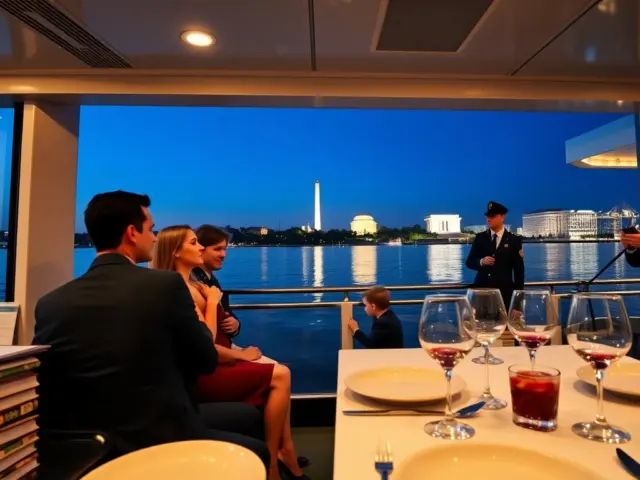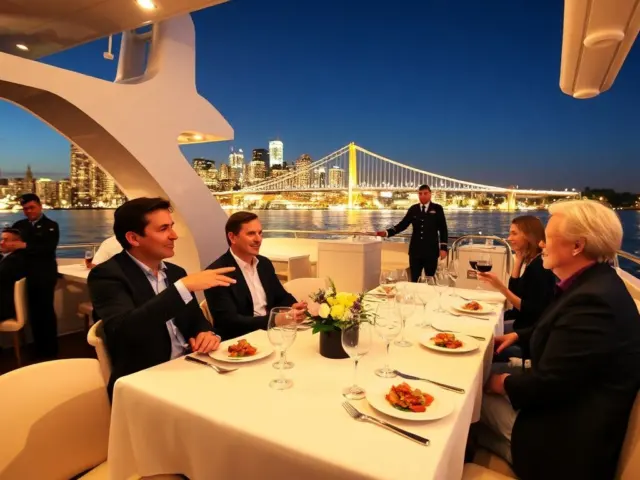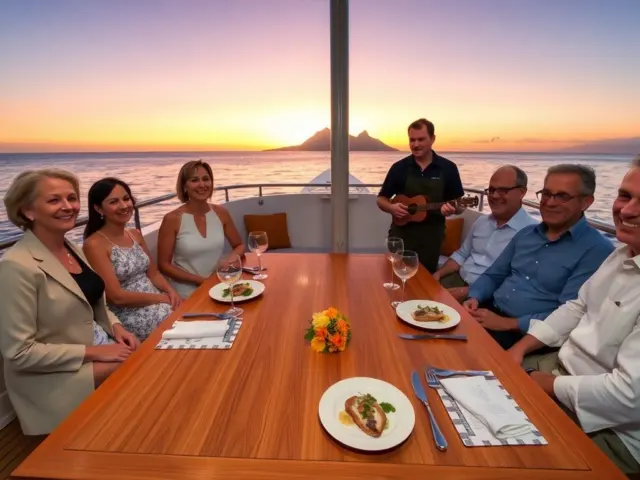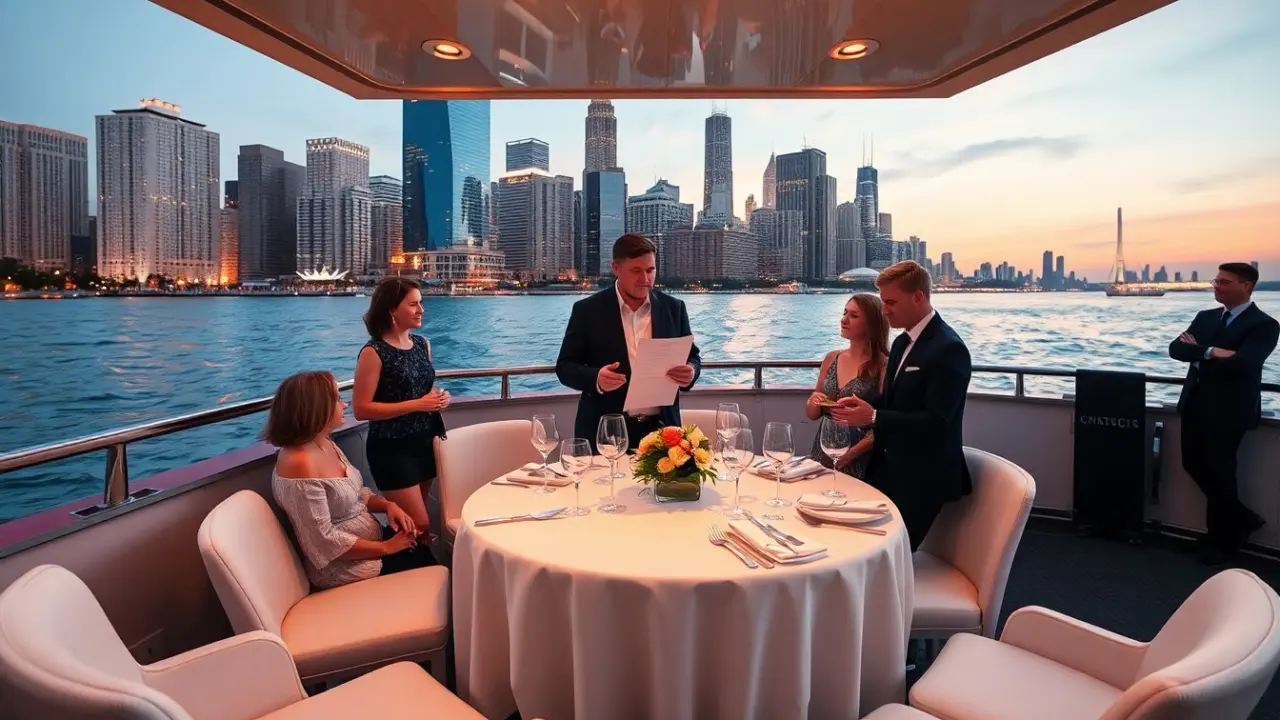
A chicago cruise dinner offers a clear way to combine food and city views. The city sets the skyline, the ships provide seats, and guests enjoy meals while they glide on water. This article explains why a chicago cruise dinner stands out, what types exist, what guests will find onboard, and how they should choose and book the right cruise for their needs. Use this as a practical guide whether you’re planning a date night, a celebration, or a group outing.
Key Takeaways
- A Chicago cruise dinner combines delicious meals with stunning city views along the river or lake, offering a unique and relaxing night out.
- Various types of Chicago cruise dinners exist, including sightseeing, fine dining, themed meals, and private charters, catering to different preferences and budgets.
- Sightseeing cruises focus on architectural highlights with narration and light dining, while fine-dining cruises offer multi-course meals with local ingredients and formal settings.
- Onboard experiences vary from casual to formal atmospheres, with indoor and outdoor seating options and amenities like full-service bars and accessibility features.
- Guests should choose their cruise based on timing, desired views, dining style, and group needs, while reviewing policies, arrival details, and special requests before booking.
Why A Chicago Cruise Dinner Is A Unique Night Out
A chicago cruise dinner gives guests a two-part experience: a meal and a moving view. The river and lake offer different perspectives of the city. The river places guests close to architecture. The lake offers sweeping skyline views and sunsets. Many operators schedule departures for golden hour and after-dark lighting. Guests report that a chicago cruise dinner feels special because the setting changes while they eat. The pace stays relaxed. Staff usually focus on service and timing to match the sights.
Beyond scenery, a chicago cruise dinner can transform a typical dinner into an event. The gentle motion of the boat softens background noise, and the changing light—from late-afternoon glow to illuminated towers—creates a dynamic backdrop for conversation and photos. For visitors, it’s a way to see familiar landmarks from new angles; for locals, it can feel like a mini-staycation. Because many cruises include commentary or themed entertainment, a single outing can combine sightseeing, dining, and a small show without moving between venues.
Types Of Chicago Dinner Cruises — From Sightseeing To Fine Dining
Chicago hosts a range of dinner cruises. Operators run sightseeing cruises, fine-dining cruises, themed meals, and private charters. Each option serves a clear audience. Sightseeing cruises suit guests who want views and narration. Fine-dining cruises suit guests who want a full meal and a formal setting. Themed cruises suit guests who want entertainment tied to food. Private charters suit groups who want privacy and control. Travelers can choose based on mood, budget, and group size.
Price points vary with vessel size, menu complexity, and included amenities (drinks, live music, guided narration). Shorter sightseeing-dinner hybrids can be more budget friendly and are often timed for architecture tours. Full-service fine-dining cruises usually charge a premium for plated multi-course menus, higher staff-to-guest ratios, and more intimate seating. Themed cruises—such as jazz nights, holiday dinners, or murder-mystery events—blend a specific entertainment focus with dining and may include cover charges for performers.
Sightseeing & Architecture Cruises: What Makes Them Special
Sightseeing cruises place guests near landmark buildings and bridges. A guide points out architectural details and history. The boat follows the river’s route and stops for photo moments. The format favors casual dining or light plates. The crew keeps narration timed with key sights. Guests who want learning and views choose this option.
Typical sightseeing-dinner cruises combine narrated tours (often led by a trained guide or docent) with plated or buffet-style food. Menus tend to be straightforward—salads, seasonal mains, and desserts—so the focus stays on the route and commentary. These cruises are good for mixed groups where some guests care more about architecture and history than a formal meal. Seating is often open or reserved by ticket class, and many boats offer ample outdoor decks for unobstructed views.
Fine Dining, Themed Meals, And Private Charter Options
Fine-dining cruises serve multi-course meals and plated service. Chefs often use local ingredients and seasonal menus. Themed meals add music, costumes, or holiday-specific menus. Private charters let groups set the schedule, menu, and route. Event planners book private options for weddings, corporate events, and celebrations. Each format changes price, so guests pick what fits their goal.
Fine-dining cruises will often publish sample menus that list courses—starter, soup or salad, entrée, and dessert—with suggested wine pairings. These cruises emphasize timing: courses are paced to coincide with scenic stretches or key skyline views. Themed cruises add layers like live bands, DJs, or interactive entertainment, which can be ideal for birthdays or anniversaries. Private charters provide the most control: groups can request custom menus, coordinate time windows for sunset photos, and set seating plans. Ask about minimum guest counts and what is included (bar packages, décor, staff).
What To Expect Onboard: Menu, Atmosphere, And Practical Details
Operators design onboard experiences around route and guest type. The atmosphere ranges from casual to formal. Lighting, music, and seating affect mood. Staff explain safety procedures and boarding times. Most ships offer indoor and outdoor seating for view options. Bars run full-service menus on many vessels. Crew members provide basic local information and handle guest needs. Guests should expect timely announcements about landmarks and departure windows. The vessel size dictates noise level and sightlines.
Most chicago cruise dinner vessels offer multiple seating zones: indoor dining rooms with climate control, top-deck open-air areas for photos, and sometimes semi-private cabins for small groups. If you value photos, arrive early and request a seat near windows or on the deck. If you value quiet conversation, ask for an inside table away from the bar or entertainment area. Onboard lighting and live music tend to be adjusted once the sun sets to preserve views and atmosphere.
Typical Menu, Dress Code, Accessibility, And Duration
Menus range from light plates to full-course dinners. Chefs often list appetizers, mains, and desserts with wine pairings. Operators provide sample menus online and note dietary options. Dress codes vary by cruise type. Casual cruises ask for smart-casual wear. Fine-dining cruises request business-casual or semi-formal attire. Ships usually offer wheelchair access via ramps and lifts. Guests should contact operators for mobility needs before booking. Typical cruises last ninety minutes to three hours depending on route and service.
Sample menu items—offered here as common examples rather than specific promises—include seasonal salads, pan-seared fish or roasted chicken mains, vegetarian pasta or grain bowls, and composed desserts like crème brûlée or seasonal fruit tarts. Many cruises provide vegetarian, gluten-free, and allergy-friendly options with advance notice; always confirm when booking. Typical durations: shorter river architecture-and-eats options run about 90–120 minutes, while lake-based sunset or dinner cruises that include a full multi-course service often run 2–3 hours.
Practical considerations: check whether gratuity is included in the ticket price, whether a photo ID is required for drink purchases, and whether there are coat checks or storage for personal items. Weather can affect deck access—operators will usually reroute or move service indoors in poor weather, but outdoor photo opportunities may be limited. If you have mobility concerns or special dietary needs, contact the operator at least 48–72 hours before departure when possible.
How To Choose And Book The Right Chicago Cruise Dinner (Timing, Budget, And Tips)
Guests should define their priorities before booking. They should pick timing, budget, and desired experience. For architecture focus they should book earlier river departures with a guide. For skyline photos they should book a sunset or evening lake cruise. For a formal meal they should choose a fine-dining cruise and confirm menu details. For groups they should compare private charter quotes and included services.
Booking tips: read recent reviews for consistency in service and punctuality; check the exact boarding location (several piers and terminals exist along the river and lakefront); confirm whether the ticket is refundable or changeable; and verify arrival time, baggage rules, and any ID requirements. If you want prime photo spots, request a window table or deck access when you book and consider arriving early. For holidays and weekend evenings, book in advance—popular sailings can sell out.
Budget tips: compare what’s included. Some tickets list an all-inclusive menu and open bar, others charge a base ticket with add-on beverage packages. Ask about child pricing, group discounts, and whether taxes and service fees are included. For special occasions, communicate requests like anniversary cakes, table flowers, or preferred seating ahead of time—many operators can accommodate small touches but need lead time.
Final practical checklist before departure: confirm the meeting point and boarding dock, print or have digital tickets ready, bring a layered jacket for open decks at night, notify the operator of dietary or mobility needs, and plan transport to and from the dock (some piers have limited parking or rely on public transit). With a little planning, a chicago cruise dinner can be a memorable and well-executed night out.