Is food free on a cruise is a common question for travelers. This guide answers whether food is free on a cruise and what items usually cost extra. It states what mainstream cruise lines include in fares. It lists typical extras and when passengers must pay. It helps readers plan a food budget before booking. Below we expand on what to expect, how to plan, and practical tips to avoid surprises so you can decide whether to factor additional dining costs into your trip.
Key Takeaways
- Most mainstream cruises include core meals like breakfast, lunch, and dinner in the base fare, with main dining rooms and buffets offering free options.
- Specialty dining venues on cruises require an extra cover charge or set price, so budget accordingly if you want to try unique or regional cuisine.
- Basic room service is often complimentary during set hours, but late-night or specialty items may carry small fees depending on the cruise line.
- Beverages like water, tea, and basic coffee are typically free, while alcohol and specialty drinks usually require purchasing a drink package or paying extra.
- Passengers should carefully review each cruise line’s food policy as free food offerings vary and some seasonal or premium items can cost extra.
What “Free Food” Typically Includes On Mainstream Cruises
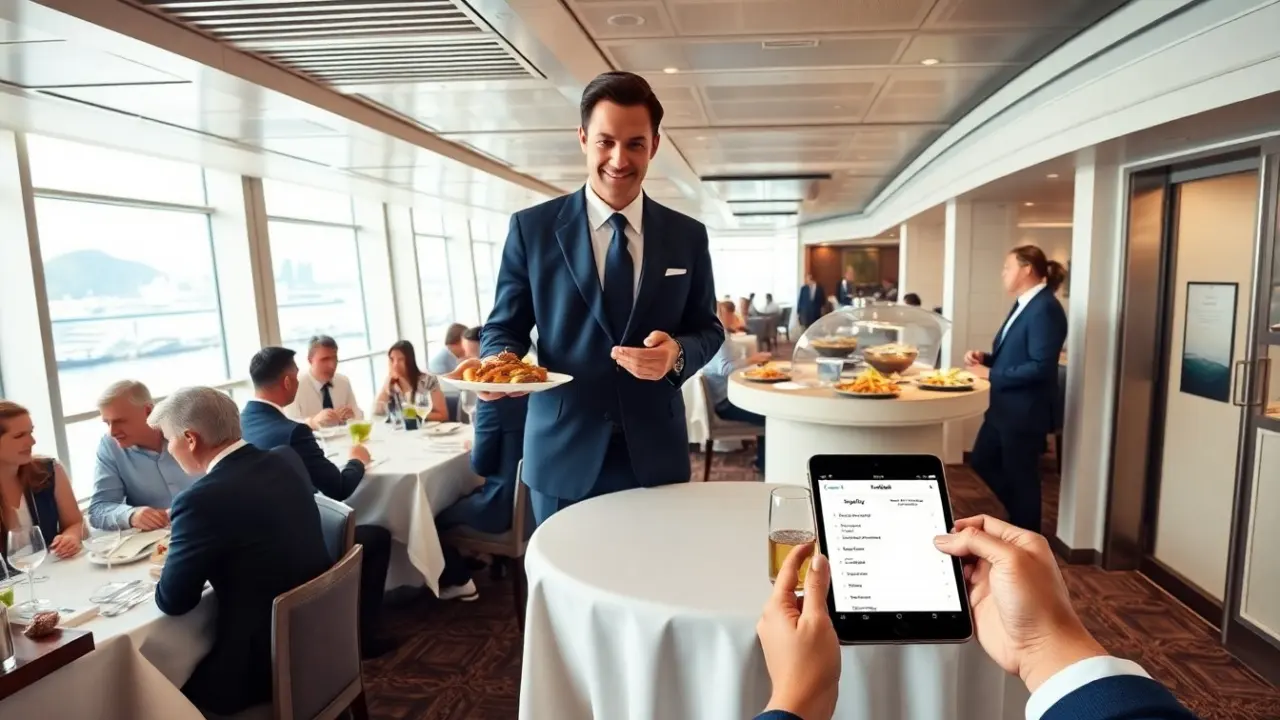
Most mainstream cruise lines state that core meals are included in the base fare. Main dining rooms serve breakfast, lunch, and dinner without extra charge. Buffets supply a wide range of hot and cold options at no added cost. Some ships include simple snacks and late-night bites for free. Room service menus often include basic items that the line lists as complimentary. Cruise lines usually include a basic coffee and tea service in public dining spaces. Lines may include limited desserts and fruit as part of standard meals. Passengers should read the line’s policy because what is free on one ship may cost on another. Seasonal specials and holiday menus sometimes cost extra even in main dining areas.
In practice, “free” typically covers everyday, mass-service items designed to feed the entire ship: continental breakfasts, cafeteria-style lunch lines, pasta stations, soups, salads, and standard plated dinners in the main dining room. These offerings are engineered for volume and broad appeal rather than exclusivity. If you plan to eat only at complimentary venues, you can get a very full experience without significant additional spend, but expect repetition and fewer specialty or high-end ingredients.
Other considerations include dietary needs and timing. Most mainstream lines accommodate allergies and vegetarian or gluten-free requests in the complimentary venues, but advanced notice or confirming with the dining staff is recommended. Crowds at peak meal times can affect service and selection, so taking advantage of early- or late-seat dining can improve the experience without extra cost.
Specialty Dining, Extras, And Cover Charges
Specialty restaurants on ships charge extra per person or per meal. These venues offer unique menus, smaller dining rooms, and a different atmosphere. Passengers pay a cover charge or set price to dine there. Some lines allow single-night reservations at a discount. Specialty options often include chef’s tasting menus or regional cuisine not found in main dining rooms. Ships may list exact prices in their pre-cruise materials. Guests should compare cost and value before booking specialty meals. They should factor the price into the cruise budget. Many cruisers choose one or two specialty meals for variety rather than daily visits.
Specialty dining is where cruise lines monetize higher-end ingredients, curated pairings, and intimate service. Expect à la carte pricing, tasting menus with supplements, or cover charges that may or may not include gratuity. Popular examples include steakhouses, sushi bars, farm-to-table concepts, and celebrity-chef-branded venues. When considering a specialty meal, check whether the cost is per person or per table, if a fixed menu is offered, and whether drinks and service charges are included.
Tips for minimizing specialty-dining costs: look for pre-cruise promotions, specialty-dinner bundles, or dining packages that reduce per-meal prices; consider sharing a tasting menu; or reserve specialty dinners for sea days when shore excursions won’t interfere with meal times. Also check loyalty program perks—repeat cruisers sometimes receive complimentary specialty-meal credits or priority reservations.
Room Service, Buffet, And 24/7 Options — What Costs?
Room service policies vary by line. Many ships include basic room service items without charge during set hours. Lines may impose a small delivery fee for late-night orders or specialty items. Buffets operate as part of the included dining and rarely cost extra. Some premium buffet items, such as steak or sushi stations, may carry an add-on price. Snack stations and casual eateries often include free options and some priced items. Ships with 24/7 food options usually include simple items and charge for premium plates. Passengers should ask the front desk or check the app to confirm which items carry fees.
Room service is convenient, but cost structures differ: some lines provide limited complimentary menus (continental breakfasts, basic sandwiches) while others charge a flat delivery fee or add gratuity automatically. Late-night service, specialty entrées, and premium desserts are the most common chargeable items. Buffets generally form the backbone of included dining; however, specialty counters within a buffet (e.g., carve stations, made-to-order omelet counters beyond a certain number, or premium sushi) can be billed separately.
For travelers on tight budgets, plan to use included buffet and main-dining options for most meals, reserve room service for convenience rather than habit, and reconfirm any menu items that look premium. If you expect frequent late-night hunger or crave specific premium snacks, estimate those costs ahead and include them in your daily onboard spending plan.
Beverages: What’s Included And When You Need A Package
Cruise fares usually include water, tea, and basic coffee in public dining areas. Lines rarely include specialty coffees, bottled water, or canned soda in the base fare. Alcoholic drinks almost always cost extra unless the passenger buys a drink package. Many lines sell beverage packages that cover a set number of drinks per day for a flat rate. Passengers should compare the package price to expected consumption. Some packages include nonalcoholic options and specialty coffees. The line’s app or website lists package details and exclusions.
When deciding on a beverage package, do the math: estimate how many alcoholic or specialty drinks you expect to consume per day (including cocktails, specialty coffees, smoothies, and bottled water). Remember taxes, gratuities, and corkage or pour charges can increase the effective cost. Beverage packages can provide convenience and predictability, but they only pay off if you drink enough of the covered items. Families with kids might prefer soda or juice package add-ons if those items are not included.
Other beverage notes: refillable water stations and free water in dining venues are common, but bottled water on demand typically costs extra. Many ships let you bring a limited amount of nonalcoholic drinks onboard in carry-on luggage or offer exceptions for medical needs—confirm policy before packing. Finally, check whether the package applies in specialty restaurants, at bars, on shore excursions, or during private events; exclusions vary and can affect the value proposition.