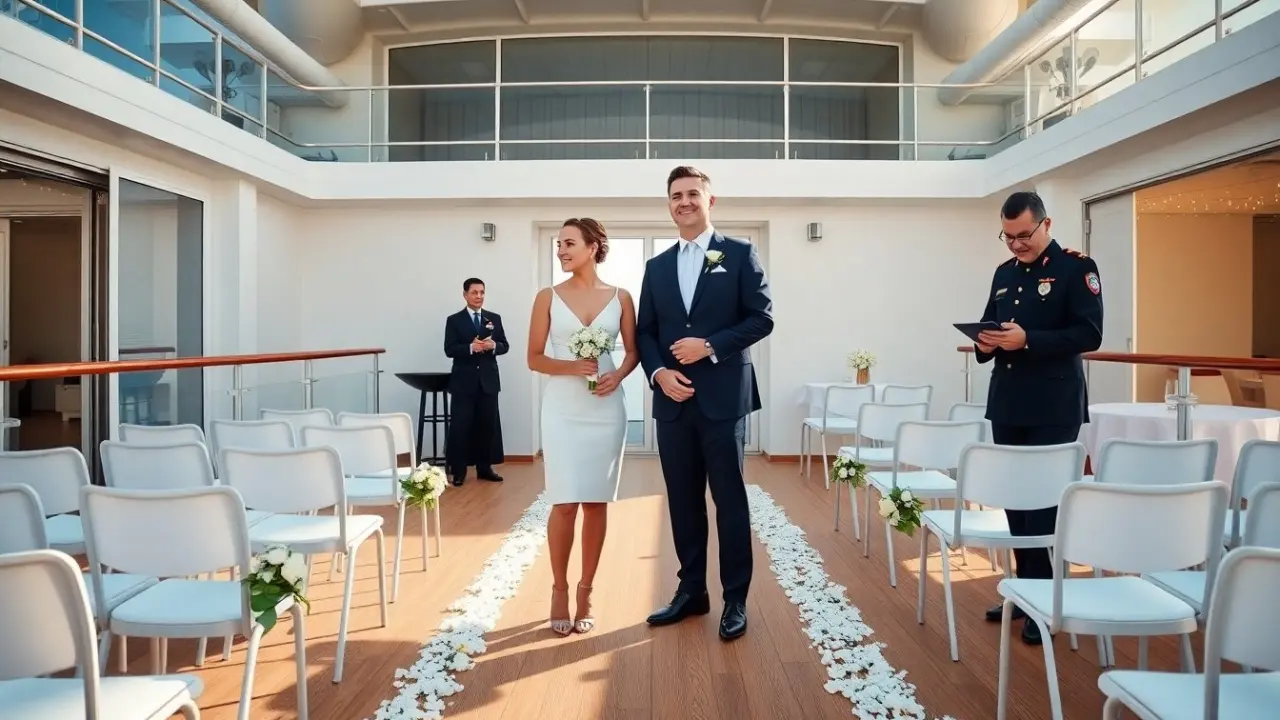
Couples choose cruise wedding packages for a ceremony that mixes travel and celebration. A cruise wedding package simplifies planning by bundling venue, officiant, and many logistics into one purchase. This article explains benefits, common inclusions, cost ranges, and steps to book and customize a package. Readers will learn practical choices and clear next steps to plan a smooth at‑sea wedding in 2026.
Key Takeaways
- Cruise wedding packages simplify planning by bundling venue, officiant, and logistics into one convenient purchase.
- These packages offer unique benefits like multiple ceremony site options, built-in guest travel experiences, and coordinated services for a memorable event.
- Typical cruise wedding packages include legal paperwork, officiant services, ceremony setup, photography, and floral arrangements, with variations depending on the package level.
- Costs range from basic to luxury packages, with transparency on pricing and inclusions crucial before paying deposits.
- Booking involves confirming legal requirements, coordinating with the cruise wedding team, reserving cabins, and potentially customizing with upgrades or private receptions.
- Couples should verify all contracts, payment deadlines, cancellation policies, and specific legal steps for destination port ceremonies when applicable.
Why Choose A Cruise Wedding? Key Benefits And Unique Experiences
Cruise wedding packages give couples a clear path to marry and celebrate without managing many vendors. They provide a built‑in guest experience: guests travel together, stay on the same ship, and enjoy shared activities before and after the ceremony, which reduces travel logistics and increases opportunities for group photos and events. Ships offer multiple ceremony sites, letting a couple pick a formal ballroom, an outdoor deck with ocean views, or a private lounge. Staff handle logistics like sound, seating, timing, and often the décor baseline so couples aren’t hiring separate day‑of coordinators.
Beyond convenience, cruise weddings create a sense of adventure and an extended celebration: rehearsal dinners can become pre‑cruise gatherings, shore excursions double as guest activities, and the ship’s entertainment and dining options fill gaps that traditional venues must outsource. For couples seeking value, bundling many essentials into a package can reduce coordination time and sometimes lower combined vendor costs. For destination weddings, the cruise format also simplifies travel for guests compared with coordinating hotels and transfers at an unfamiliar land‑based venue.
Considerations that make cruise weddings distinct include the ship’s schedule and port rules, onboard noise and photography restrictions, and the need to coordinate with the ship’s master of ceremonies and captain for timing. For couples who want maximum privacy or a highly customized program, packages can often be upgraded to include private rooms or off‑ship options, but those choices typically come at higher cost and require additional planning.
What Cruise Wedding Packages Typically Include
Cruise wedding packages usually include a set of core services that make the event run. Couples should check package lists to confirm details and limits, and get a written breakdown of each line item. Common items, often tiered by package level, include:
- Legal paperwork assistance and the officiant: help with marriage license guidance, an onboard or local officiant, and basic certificates or witness arrangements.
- Ceremony setup: selection of ceremony location, seating for a limited number of guests, basic décor like an aisle runner and altar/arch, sound system and microphone for the couple and officiant.
- Photography and videography options: many packages include a brief photography session (ceremony plus a short portrait session) with options to purchase additional hours or prints.
- Flowers and styling: a bridal bouquet and boutonniere are common in entry‑level packages; upgraded floral arrangements, additional bouquets, and table centerpieces are usually available as add‑ons.
- Reception basics: a celebratory cake, a simple toast, or a small private reception in a designated area. Larger plated dinners, full receptions, or private dining rooms are often offered at higher package tiers or as separate event bookings.
- Coordination and timeline: a wedding coordinator or on‑board point person who organizes the timeline, coordinates with ship staff, and manages day‑of logistics.
Variations to expect: some cruise lines allow approved outside vendors (hair, makeup, independent photographers) while others require use of their preferred teams. Packages will list guest limits, photography time, and what happens in the event of bad weather; if a ceremony is scheduled on an open deck, make sure the package explains covered alternatives. Always request a sample contract and a detailed list of what is and is not included so you can compare packages clearly.
Ceremony And Reception Options (Onboard, Deck, Or Private Venue)
Ships publish ceremony locations and rules. Many couples pick a public deck for a sunrise or sunset ceremony, which provides dramatic natural backdrops but can mean dealing with wind, salt spray, and public foot traffic. Indoor venues such as ballrooms and lounges give climate control and privacy, and they are easier for guests with mobility concerns. Private suites and specialty rooms offer exclusivity and quieter environments for intimate ceremonies and photo sessions.
Reception choices range from a cake‑and‑toast ceremony included in basic packages to a plated multi‑course dinner or cocktail reception booked as an add‑on. Some ships offer private dining rooms or specialty restaurants that can be reserved for a reception for an additional fee. If you plan a larger reception, confirm whether the ship provides separate event staff, menu options, plated or buffet service, and whether menu tasting or dietary accommodations are available.
Practical tips: confirm guest limits for each venue, ask about staging and lighting options if you plan evening photography, and verify the ship’s policy on live music, DJs, or amplified sound. For mixed ceremonies and receptions—part onboard, part ashore—coordinate timing carefully to ensure guests can embark or disembark at ports and that any shore‑based legal requirements are met.
How Much Do Cruise Wedding Packages Cost? Typical Price Ranges
Cruise wedding packages cover a wide price range depending on the cruise line, itinerary, ship size, season, and how many extras you choose. Rather than a single number, think in categories:
- Basic packages: often include the essential legal paperwork, an officiant, a simple ceremony setup, and a small bouquet/boutonniere. These are the most budget‑friendly option and are aimed at couples who want a short ceremony without many extras.
- Midrange packages: add photography time, enhanced floral options, a modest reception or cake, and more extensive coordination. These are suitable for couples who want more formal photos and a brief reception without booking a full private event.
- Luxury packages: provide private venue options, extended photography and videography, upgraded flowers and décor, premium onboard credits or accommodation upgrades, and sometimes dedicated staff for the event day. These packages are for couples who want an elevated, highly personalized experience.
Costs can also change based on timing (peak travel seasons and popular ports increase demand), the size of the guest list, and whether you require additional vendor services like hair and makeup or off‑ship elements. Ask for an itemized quote and compare what is included versus what is an extra fee (e.g., additional photographer hours, guest dining, event space rental). Always confirm payment schedules, deposits required to hold dates, and refund or rescheduling policies in writing.
How To Book And Customize Your Cruise Wedding Package
Couples should follow a clear booking process and allow extra lead time for legal documents and travel logistics. A practical sequence is:
- Confirm legal requirements: identify whether you will marry onboard under the ship’s flag state, or ashore at a port. Gather required documents such as valid passports, birth certificates, divorce decrees if applicable, and any required translations or apostilles. Some countries and ports have waiting periods or additional paperwork—start this early.
- Contact the cruise line’s wedding team: request the current package menus, an itemized pricing sheet, available ceremony venues and times, sample contracts, and the name of the onboard coordinator who will manage your event.
- Reserve cabins and block room inventory: secure accommodation for the couple and key guests, and consider rooming blocks, group rate codes, and booking deadlines so guests can reserve rooms with the same itinerary and rates.
- Review and negotiate inclusions: decide which upgrades you want (extra photography, upgraded flowers, private reception space, entertainment) and ask for those in writing. If external vendors are important to you, verify the ship’s policy and any vendor fees.
- Create a timeline and guest communication plan: draft a timeline that includes arrival, rehearsal, ceremony time, photography windows, and reception details. Communicate travel requirements, suggested arrival times, dress code, and any planned group activities to guests well in advance.
- Finalize contracts and payments: review cancellation policies, payment deadlines, and contingency plans (weather, itinerary changes). Keep copies of all contracts and payment receipts, and confirm the ship’s point of contact for the final guest list and logistics.
Customization ideas: order a port‑of‑call photo shoot for sunset portraits, schedule a private rehearsal dinner in a specialty restaurant, arrange a post‑ceremony brunch for traveling guests, or select ceremony music and readings that the ship can accommodate. If you want a unique touch, ask about specialty cakes, local florals from your ports, or themed décor that complements an itinerary. Finally, always build some buffer time into the schedule for embarkation, disembarkation, and possible itinerary shifts—flexibility keeps the day enjoyable for everyone.