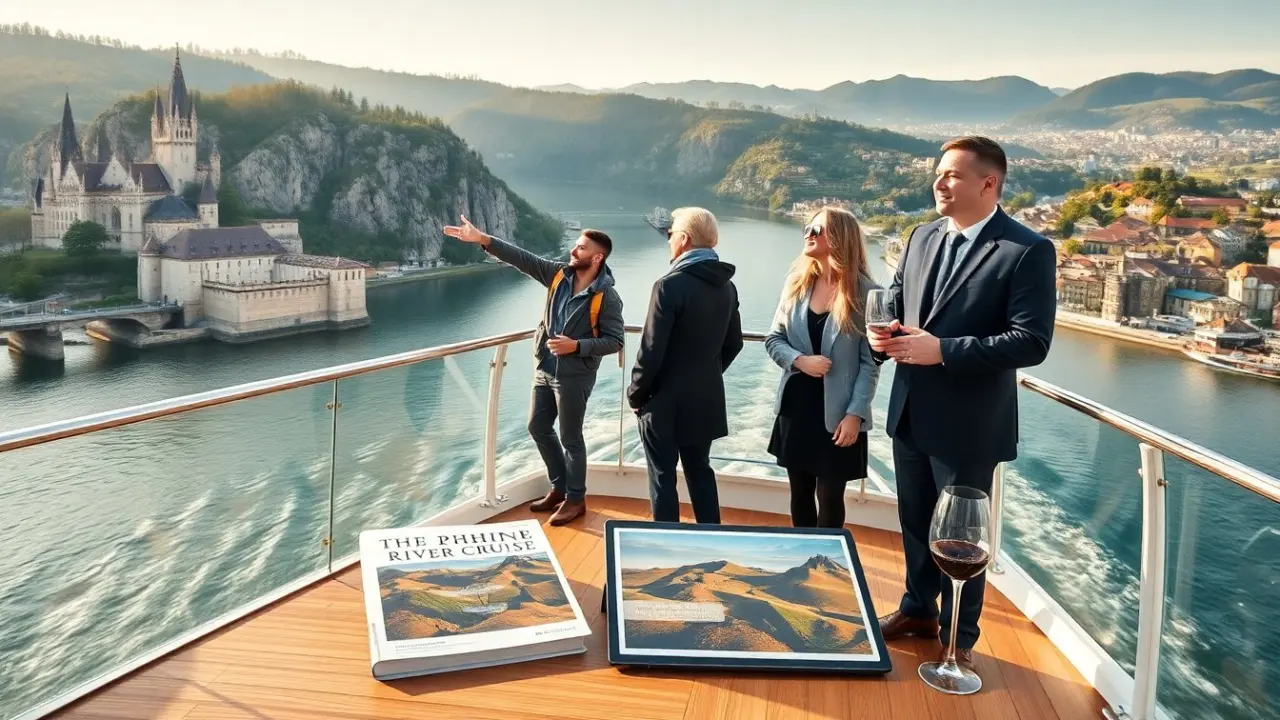
The rhine river cruise offers a compact way to see castles, vineyards, and medieval towns. Travelers choose the rhine river cruise for convenience and scenery, because it combines onboard comfort with daily shore access to distinct regions. Companies run voyages on a variety of itineraries—from one-way sailings between Basel and Amsterdam to shorter hub-and-spoke departures centered on Mainz, Cologne, or Strasbourg. Operators schedule departures to match seasonal highlights such as grape harvests, holiday markets, and regional festivals, and they publish themed departures that focus on wine, history, cycling, or Christmas markets. This guide expands on route options, presents a realistic seven-day sample itinerary with daily highlights, and offers practical planning advice to help you choose and enjoy the rhine river cruise that best fits your interests.
Key Takeaways
- The Rhine River cruise offers scenic routes between Basel and Amsterdam, highlighting castles, vineyards, and medieval towns for a convenient travel experience.
- Travelers should choose from Upper, Middle, or Lower Rhine routes depending on interests like city stops, wine tasting, or historic landscapes to customize their trip.
- Booking the Rhine River cruise in spring or fall provides mild weather and fewer crowds, enhancing comfort and event opportunities.
- Selecting the right ship type balances comfort, price, included excursions, and traveler needs, from luxury lines to budget options and small ships for narrow ports.
- A sample seven-day itinerary includes key ports like Basel, Strasbourg, Rudesheim, Cologne, and Amsterdam, focusing on cultural landmarks and local wine experiences.
- Packing layered clothing, comfortable shoes, and preparing shore excursions carefully ensure a smooth and enjoyable Rhine River cruise experience.
Why Choose A Rhine River Cruise: Routes, Best Times, And Types Of Voyages
The rhine river cruise draws travelers who want steady views without frequent hotel changes and who appreciate a rhythm of short daily excursions followed by relaxed evenings onboard. The geography and logistics of the Rhine create three broad route categories: Upper Rhine (Basel to Mainz/Cologne), the Middle Rhine (the scenic gorge between Rudesheim and Koblenz), and the Lower Rhine (approaching Dutch ports such as Nijmegen and Amsterdam). Each route emphasizes different experiences: the Upper Rhine centers on Alsace and German wine country with frequent vineyard stops; the Middle Rhine is dominated by dramatic scenery, castles, and UNESCO-listed stretches; the Lower Rhine adds cosmopolitan Dutch cities, port culture, and flat cycling country.
They schedule the rhine river cruise year-round, but the calendar matters for what you’ll see and do. Spring (late March–May) brings flowering vines, quieter streets, and comfortable temperatures for walking tours. Summer (June–August) features the warmest weather, extended daylight for late-evening strolls, and many local festivals, but also higher prices and more crowded sights. Fall (September–October) highlights grape harvests and wine festivals, especially in Alsace and the Rhine valleys, with vivid foliage and cooler evenings. Winter sailings focus on holiday markets and offer the lowest occupancy and off-season fares; ships may run reduced services but often include festive excursions. Consider your tolerance for crowds, your interest in seasonal events, and the types of shore activities you prefer when choosing dates for the rhine river cruise.
Ship type and line influence the onboard experience and the itinerary’s feel. Typical river ships carry roughly a hundred passengers and offer panoramic windows, modest public spaces, and daily port calls close to town centers. Luxury lines emphasize higher staff-to-guest ratios, fine dining, included guided excursions and gratuities, and larger cabins; premium mid-range lines balance included activities with a la carte options; value lines keep fares lower by charging extra for some excursions and specialty dining. Smaller boutique vessels or purpose-built “narrow” riverboats can call at smaller docks and offer more intimate group sizes, which appeals to travelers who want quieter ports or an active program with guided hikes and bike tours. Families, solo travelers, and multi-generational groups should compare cabin layouts (single cabins, connecting rooms), included amenities, and the range of guided shore programs before booking the rhine river cruise.
Themed departures make it easier to match interests. Wine cruises combine cellar visits, tastings, and talks by local vintners; history cruises layer professional lectures and extended stays in towns with strong heritage sites; active itineraries incorporate guided bike rides, walking tours, or light hikes; culinary cruises focus on markets, regional food pairings, and cooking demonstrations. When evaluating itineraries, review the daily activity level, distance between docks and town centers, and whether transfers or local transport are required for certain excursions—these details shape how much you’ll experience on any given day of the rhine river cruise.
Sample 7-Day Rhine Itinerary — Key Ports, Landmarks, And Daily Highlights
Day 1: Basel arrival. Guests typically arrive in the afternoon or early evening and board the ship after a streamlined check-in. The ship often departs that evening for the first overnight leg toward Breisach or a nearby port. Expect a welcome reception and briefing about the week’s schedule; this is a good time to review shore excursion times and meet your excursion guides. Evening sailing provides initial Rhine views and the chance to settle into your cabin.
Day 2: Breisach and Strasbourg. Morning options commonly include a short drive to a local vineyard for a tour and tasting, or a walking tour of Breisach’s town center. After lunch the ship sails to Strasbourg. In the afternoon you can visit Strasbourg Cathedral, wander the canals of Petite France, and sample Alsace wines and tarte flambée in a local winstub. This day balances a rural wine-country experience with the cosmopolitan charm of a major regional capital.
Day 3: Speyer or Mannheim. Depending on the itinerary, the ship may call near Speyer—where the Romanesque cathedral and archaeological sites reward history enthusiasts—or dock at Mannheim with its grid-style central plaza and Baroque highlights. Excursions often cover the cathedral’s crypt, medieval artifacts, or a guided city walk. After returning to the ship, the afternoon sail toward Mainz offers riverside views of small villages and vineyard terraces.
Day 4: Rudesheim and the Rhine Gorge. This is one of the signature days on many routes. The ship transits the Middle Rhine, passing Lorelei Rock and numerous cliff-top castles clustered along steep valley walls. In Rudesheim, options commonly include a ride on the cable car above the vineyards, a visit to the Museum of Mechanical Musical Instruments, or a tasting of local Riesling at a family-owned winery. Photographic vantage points and short hikes near castle ruins are frequent highlights of the rhine river cruise’s scenery-focused segment.
Day 5: Koblenz and Bonn. Koblenz lies at the confluence of the Rhine and Moselle rivers; guided walks point out the Deutsches Eck, the Ehrenbreitstein Fortress (reachable by cable car), and riverside promenades. Later the ship continues to Bonn, where choices usually include a Beethoven house visit, a leisurely bike ride along the Rhine promenade, or sampling Rhineland specialties at a market or beer hall. These stops combine fortress views with cultural and musical history.
Day 6: Cologne. The ship often arrives early to allow a full day in Cologne. The cathedral dominates the skyline and offers an extensive interior and treasury to explore. Additional options include visiting modern art museums, strolling the Old Town, trying local Kölsch beer at a brauhaus, or taking a short tram ride to neighborhoods off the tourist path for a more local feel. Free time in the afternoon makes it possible to split from the group and pursue personal interests, whether shopping, museum visits, or riverside walks.
Day 7: Amsterdam or final port. On one-way itineraries the cruise concludes in Amsterdam, where morning disembarkation procedures and transfer options are arranged; many guests extend their stay to explore canals, museums, and neighborhood markets. Alternative end ports occur depending on the sailing. The final morning typically includes a last breakfast onboard, assistance with luggage, and guidance on transfers to airports, trains, or post-cruise hotels. This sample week emphasizes the combination of castles, wine regions, and town-by-town discovery that defines many rhine river cruise experiences.
Practical Planning: Costs, What To Pack, Shore Excursions, And Helpful Travel Tips
Costs vary by season, cabin class, and inclusions. Basic fare differences reflect cabin size, deck location, and whether the price includes shore excursions, beverages, and gratuities. Review what is included in the headline price—some fares are advertised as “all-inclusive” and others as “cruise-only” with many optional extras. Compare per-day value by factoring included guided tours, airport transfers, and onboard amenities. Look for booking windows with early-bird discounts or seasonal promotions, and check cancellation and insurance policies so you understand refund conditions if plans change.
They pack for changing weather and shore activities. Layering is essential on the Rhine because mornings and evenings can be cool while afternoons warm up in summer. Pack a light waterproof layer, breathable mid-layers, and comfortable walking shoes with good tread for cobbles and uneven surfaces. Bring a small daypack for excursions, a reusable water bottle, a plug adapter suitable for European sockets, and any specialty items you need for themed excursions (for example, cycling shoes or a compact binocular for castle spotting). Include copies of travel documents, a compact first-aid kit, and one smart outfit if the ship hosts a formal dinner or gala night.
They choose shore excursions carefully to match pace and interest. Included excursions are convenient and usually timed to the ship’s schedule; they are a good choice if you want straightforward logistics and expert guides. Independent exploration can be more flexible and cost-effective—research walking routes from the dock, local transit connections, and reputable taxi services. If you have mobility concerns, check excursion difficulty ratings, distances from the dock to the main sites, and whether transfers involve stairs or shuttle buses. For specialized interests (wine tastings, cycling, or long heritage walks) consider booking small-group or private excursions in advance if they are limited in size.
They follow practical money and communication tips. Cards are widely accepted in the Rhine region, but smaller vendors, market stalls, and some local restaurants may prefer cash; carry a modest amount of local currency for those purchases. Notify your bank of travel dates to avoid holds, and verify whether your cards add foreign transaction fees. Mobile coverage is generally reliable, but compare short-term international plans or local SIMs for data, and download offline maps and reservation confirmations before you disembark. Use secure travel wallets and keep copies of important documents separately from originals.
They manage health and safety. Bring prescriptions in original packaging with copies of the prescription note, and confirm how much medication you can carry on international flights. Travel insurance that covers medical evacuation, trip interruption, and activity-specific risks (for cycling or guided hikes) is advisable. Check any regional entry requirements or health advisories shortly before travel, and follow basic safety measures—stay aware of pickpocketing in crowded tourist areas, follow local guidance on crossings and tramways, and register contact information with your group leader or the ship’s front desk. With careful planning and realistic expectations about pacing and mobility, a rhine river cruise delivers concentrated access to some of Europe’s most scenic river valleys, historic towns, and culinary traditions.