| Decision | What the route typically involves | Planning use |
|---|---|---|
| Starting port | Round trip from Seattle or Vancouver, returning to the same port | Book travel to and from a single city. No separate end port to organise. |
| Port calls | Three or four port towns, such as Juneau, Skagway and Ketchikan | Choose by the kind of day you want in each town: culture, glacier access or rail history. |
| Glacier time | About one day in Glacier Bay or another glacier area, plus two days at sea | Treat the glacier day as the centrepiece. The glacier named varies by cruise line and year with ice conditions, so read the itinerary closely. |
| Cross Gulf extras | Valdez, Hubbard Glacier, College Fjord or another gulf town; most land tours last 4-7 days | Suits travellers who want more glacier variety and can add a land tour to the trip. |
| Season and weather | Cruise season runs May through September; 50–65°F (10–18°C) on a typical summer sailing | Pack for cool deck time even in midsummer. |
Figures above come from Alaska.org’s route guide and Cruise Ready Guide’s 7-day itinerary overview.
Most 7 day alaska cruise routes are Inside Passage round trips from Seattle or Vancouver that mix port towns with a glacier day. Cross Gulf sailings add extras such as Hubbard Glacier, and ice conditions can change glacier plans.
If this is a first sailing, the guide to best cruise destinations for first timers helps you decide whether Alaska is the right fit before you compare itineraries.
Inside Passage round trips
The round trip is the default Alaska format, and its main effect is simplicity. Alaska.org describes the Inside Passage cruise as typically a round trip from Seattle or Vancouver, back to the same port, and notes it is the choice of about two-thirds of Alaska cruisers. Because you finish where you started, your flights and hotel bookings centre on one city, and you do not need a land leg to reach a different end port.
Seattle departures
Cruise Ready Guide notes that most round-trip Inside Passage cruises depart from Seattle’s cruise terminals. Vancouver is the other common starting point. Choosing between them is mostly a matter of which city is easier for you to reach and which ship and date suit you.
Port towns on the route
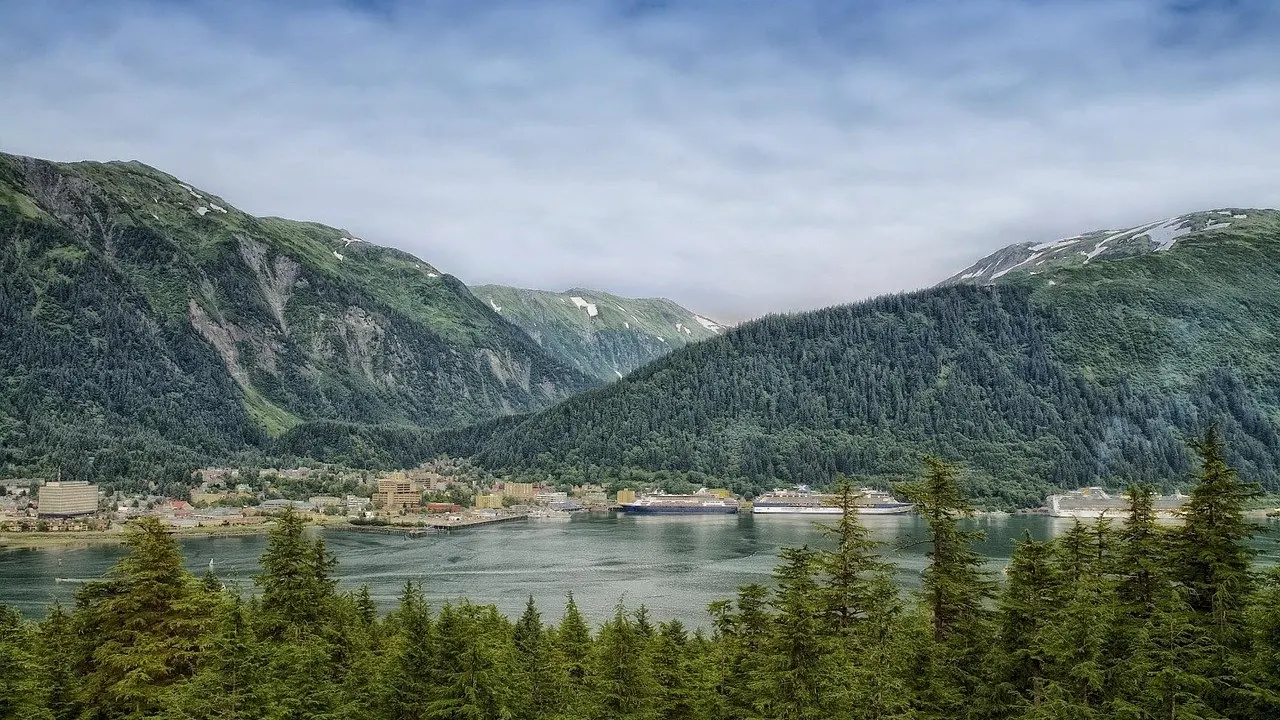
The Inside Passage format builds its week around town calls, with stops at Juneau, Skagway and Ketchikan the most commonly named. Those calls shape your shore days far more than the sea days do, because each town offers a different kind of outing. The format fits some travellers better than others:
- Choose it if you want a conventional route with several towns and one dedicated glacier day, and you prefer to start and finish in the same city.
- Look at Cross Gulf sailings instead if glacier variety matters more to you than a simple round trip.
- Weigh it against other cruise styles if you want scenery without ocean crossings. River sailing is a different experience, covered in the Rhine River Cruise: Scenic Castles, Wine Routes, And Charming Towns — Your 2026 Guide – Electracruises guide.
Glacier days and Cross Gulf extras
On a typical Inside Passage week, glacier viewing is a single day rather than a theme. Alaska.org says these 7-day cruises usually spend a day in Glacier Bay or another glacier area, and two days at sea. The practical effect is that the glacier day carries a lot of weight in your trip, so find out which glacier your sailing names before you book.
That detail matters because the destination is not fixed. Cruise Ready Guide points out that glacier stops vary by cruise line and by year depending on ice conditions. Two ships on the same week can therefore show you different ice, and an itinerary phrase such as “glacier viewing” is a reason to check the fine print rather than assume Glacier Bay.
Cross Gulf routes change the balance. According to Alaska.org, they add extras such as Valdez, Hubbard Glacier, College Fjord or another town in the gulf. Most land tours attached to these routes last 4-7 days, so the trip becomes longer than the cruise itself if you add one. Choose this style if you want ice as the focus, and confirm the sailing length and end port before comparing prices with a round trip.
Ports and shore excursions
Each of the three headline ports rewards a different plan, and the excursion prices below are indicative figures from Cruise Ready Guide. Decide which port is your splurge day and keep the others lighter.
Ketchikan
Ketchikan suits travellers who want a short, low-effort stop with one big optional extra. The Misty Fjords floatplane tour is listed at $250–350 for 90–120 minutes, which makes it the premium choice here. If that budget does not appeal, the town itself needs no excursion.
Juneau
Juneau is the only U.S. state capital not connected to the road system, so glacier access means using the city bus or going by air rather than driving out of town. That produces a clear choice between two ends of the budget:
- City bus to Mendenhall Glacier and its viewing platform: about $4 round trip and 2–3 hours, the sensible pick if you want a glacier view without a large spend.
- Helicopter glacier landing: $275–350 over 3–4 hours, including 45–60 minutes on the glacier surface with crampons. It suits travellers who want to stand on the ice and accept the cost.
Skagway
Skagway is the history port. The White Pass railroad climbs 2,865 feet in 20 miles along the same route Klondike prospectors hiked, which gives the ride a dramatic gradient. Pair it with the rest of the day in town rather than adding a second long excursion, since the train already takes a large part of your time ashore.
Wildlife and timing
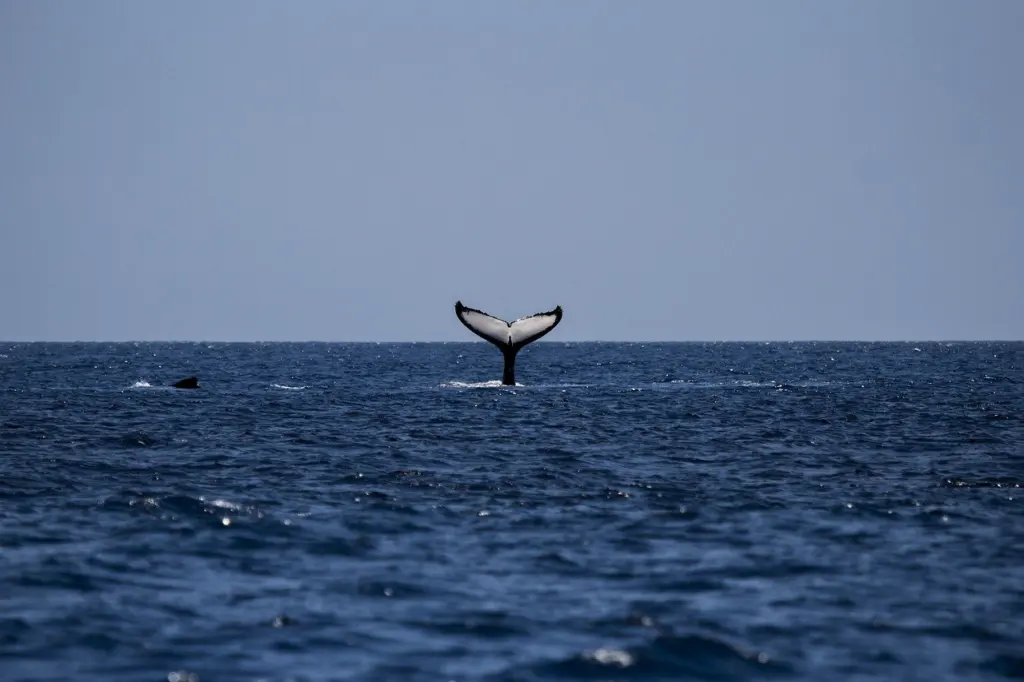
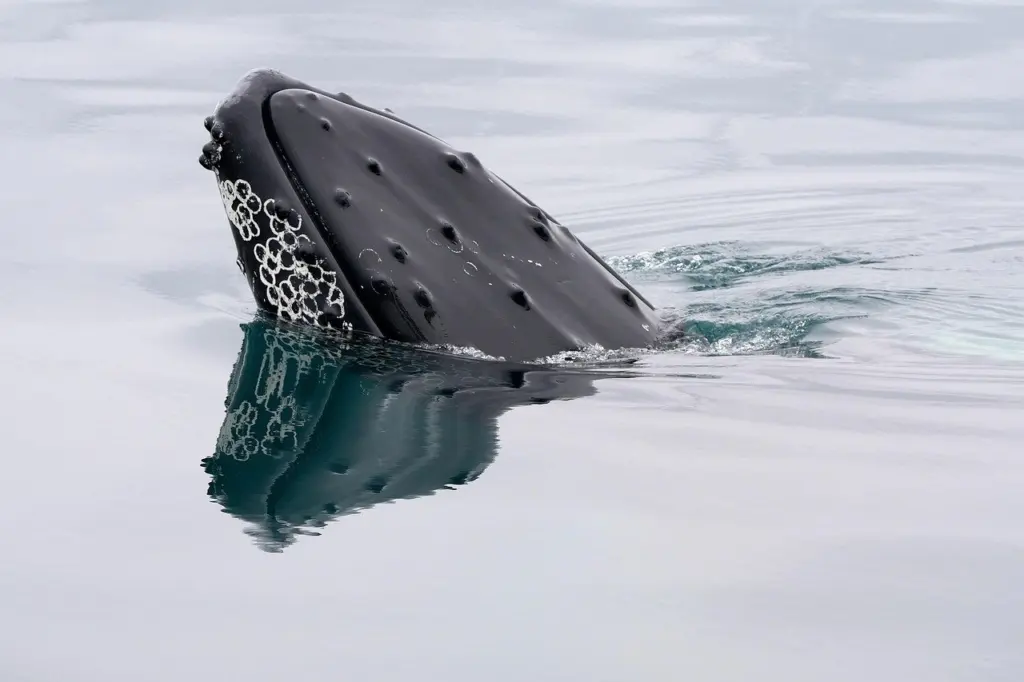
Whale sightings on 7-day routes are common enough that you can plan around them without booking anything special. Condé Nast Traveler’s sponsored itinerary feature names humpback whales, bald eagles and orcas among the animals cruisers can spot, and Cruise Ready Guide says orca and humpback sightings from the ship happen more often than most first-timers expect.
On shore, Juneau stands out for whales. Humpback sightings are common in Juneau waters in summer, so a whale-watching outing from that port is a reasonable add-on if you want a closer look than the ship allows. A deck position with a clear sightline and a pair of binoculars will often be enough for the rest of the week.
The cruise season runs May through September, and a typical summer sailing brings 50–65°F (10–18°C). That range is cool for long periods on deck, so layers and a waterproof shell matter more than the calendar month within the season. Pick your month on practical grounds such as ship availability and budget, then treat wildlife as a likely bonus rather than a guarantee. For a comparison of how seasons shape a very different region, see best month to cruise the caribbean.
Booking and packing decisions
Three decisions shape the week more than any other, and each follows from the route facts above.
- Name your glacier priority. If seeing a specific glacier matters, check the itinerary for it by name, because glacier destinations vary by cruise line and year with ice conditions.
- Pick one headline excursion. The prices and durations above show that the floatplane, helicopter and train each take a large share of a port day. Choose the one that matters most and leave the other ports for walking and the cheaper options.
- Pack for deck time. With typical summer temperatures of 50–65°F (10–18°C), warm layers, a waterproof outer shell and binoculars do more for your enjoyment than extra shore gear.
Frequently asked questions
What time does boarding usually open in Seattle?
Boarding typically opens between 11:00 AM and 1:00 PM, according to Cruise Ready Guide. Check your own cruise documents for the exact window.
How much does the White Pass & Yukon Route train cost?
The White Pass & Yukon Route, booked direct, costs $155 for adults and $77.50 for children, and the ride takes 2.5–3 hours, per Cruise Ready Guide.
How big is Glacier Bay?
It is described as a 3.3 million-acre UNESCO World Heritage Site in Condé Nast Traveler’s itinerary feature.
Can I explore Ketchikan and Skagway on foot?
Yes. Ketchikan is close enough to the pier to explore on foot, and Skagway’s downtown is a National Historic Landmark District that is walkable from the pier, according to Cruise Ready Guide.