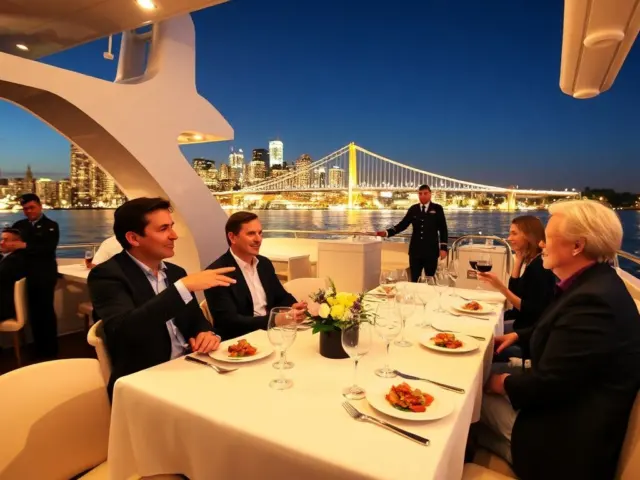
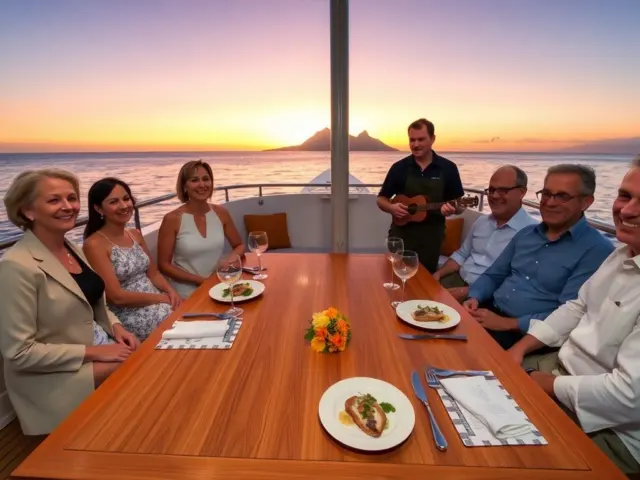
dc dinner cruise offers a memorable evening on the Potomac that combines sightseeing, dining, and relaxing time on the water. Visitors choose it for unobstructed views of monuments, the calming river setting, and a single convenient itinerary that pairs a meal with a guided route past notable landmarks. This guide explains who benefits most from a dc dinner cruise, typical routes and sights, what the onboard experience usually includes, how to buy tickets smartly, and practical night-of tips. It focuses on realistic expectations—what to bring, how to handle weather and transit, accessibility considerations, and simple safety steps—so travelers know how to get the most from their evening on the Potomac.
Key Takeaways
- A DC dinner cruise provides stunning nighttime views of iconic National Mall monuments, creating a unique sightseeing experience not possible from land.
- These cruises cater to diverse groups including couples, families, photographers, and event organizers, offering options like kid-friendly early departures and private charters.
- Typical routes showcase landmarks such as the Kennedy Center, Jefferson Memorial, and illuminated Lincoln Memorial, enhancing the scenic value of the cruise.
- Onboard dining features buffet or plated meals combined with live or recorded music, complemented by amenities like indoor/outdoor seating, bars, and safety briefings.
- Ticket prices vary by day and cruise length, with discounts available for early booking; reserving 2 to 6 weeks in advance ensures preferred seating and better rates.
- Arrive early, check weather conditions, and consider using public transit to avoid parking hassles; always follow crew safety instructions onboard the dc dinner cruise.
Why Choose A DC Dinner Cruise? Who It’s Best For
A dc dinner cruise gives panoramic views of the National Mall monuments at night that you don’t get from shore-level vantage points. The gently moving vantage point of the river lets passengers see reflections, framed perspectives, and sequences of landmarks in a single outing—appealing to visitors who want efficient sightseeing without changing hotels or restaurants. Couples find the setting romantic for date nights and anniversaries; many operators offer window tables or quieter upper decks for two. Families often benefit from earlier, kid-friendly departures and shorter itineraries that keep little ones engaged. Photographers and hobbyists can set up on an open deck for skyline and long-exposure shots—bring a small tripod and use a strap for safety. Groups and event planners use charter options for rehearsal dinners, corporate outings, or private celebrations where catering and audio systems are included. Travelers short on time or wanting an easy evening with minimal logistics will appreciate that a single dc dinner cruise combines dinner, a guide’s narration, and sightseeing in one place.
Popular Routes And Landmarks You’ll See On The Potomac
Most dc dinner cruise routes hug the Potomac shoreline and pass noteworthy sites like the Wharf, Georgetown waterfront, and the Kennedy Center. Boats typically follow stretches that allow views of Roosevelt Island and often stop or slow near memorials such as the Iwo Jima memorial and the Jefferson Memorial beside the Tidal Basin. On night cruises, captains time passes to showcase the illuminated Lincoln Memorial, the Washington Monument, and the memorial-dotted Mall skyline. Longer or specialty routes may continue under Key Bridge and trace the Arlington shoreline, offering sweeping perspectives of both sides of the river. Many cruises include recorded or live narration to point out historical context and the best photo angles; if you want commentary, check the itinerary before booking. On clear nights, the mirrored city lights and calm water reflections add dramatic visuals—on overcast or windy nights the experience changes, but the proximity to monuments still makes the trip worthwhile.
Onboard Experience — Dining, Entertainment, And Amenities
A dc dinner cruise typically pairs buffet or plated meals with music and narrative. Menu styles range from casual buffets with stations for salads and hot entrees to plated multi-course dinners for more formal cruises; most operators accommodate common dietary needs if notified in advance, so report allergies or restrictions when booking. Entertainment can include a live band, DJ, or background recordings; some boats host themed nights, dancing, or short lectures about the city. Seating configurations vary: enclosed dining rooms with climate control and large windows, plus outdoor decks for fresh air and photos. Expect practical amenities such as restrooms, coat storage, and a staffed bar offering cash or card service—some cruises sell beverage packages. Safety is a priority: crews perform briefings, point out life jacket locations and emergency exits, and limit deck capacity during rough conditions. Accessibility varies by vessel; many operators offer ramps, accessible restrooms, and elevator access but confirm accessibility features when you reserve to ensure a comfortable experience for guests with mobility needs.
Tickets, Pricing, And Smart Booking Tips
Ticket prices for a dc dinner cruise depend on cruise length, day of week, and whether the fare includes drinks or upgraded seating. Weekday cruises and earlier evening departures are usually less expensive than weekend or sunset sailings. Look for early-bird discounts, group rates, and package add-ons such as desserts, open-bar options, or private tables. Compare the operator’s site with reputable third-party vendors for availability, but book directly with the operator when you need flexible cancellation or menu guarantees. During peak times—holiday weekends, cherry blossom season, and special event dates—cruises can sell out; booking 2 to 6 weeks ahead generally secures better seating, though last-minute availability can appear on nonpeak nights. Read refund, rescheduling, and weather-policy terms closely: many companies will reschedule or refund due to high winds or unsafe conditions, but policies differ for light rain. If you require a specific table location (window, inside, or deck), request it at booking and confirm via email a few days before departure.
Practical Night-Of Tips: Arrival, Weather, Safety, And Transit
Arrive 30 to 45 minutes before departure to allow time for check-in, boarding, and seating—larger groups may want to arrive earlier to avoid lines. Bring a printed or mobile ticket and a government-issued photo ID if requested for age-verified drinks. Dress in layers: decks can be breezy after sunset even on warm days, so a light jacket or wrap is usually sufficient. Check the forecast and the operator’s weather policy the morning of your cruise; captains will advise guests if a cruise will run in light rain or be canceled for high winds or unsafe conditions. For safety, pay attention to the crew’s briefing, note the nearest life jacket location, and keep children supervised on outdoor decks. Transit options are often the most convenient—use nearby Metro stations, buses, or rideshare drop-offs to avoid limited dockside parking; if you must drive, research nearby lots and allow extra time for event traffic. Keep valuables secure and use wrist straps or secure bags for cameras; use a small tripod or monopod if you plan long-exposure shots and secure it while moving. Finally, plan your exit strategy: docks can be busy at disembarkation, so arrange a meetup spot with companions and consider allowing extra time for transit connections after the cruise.