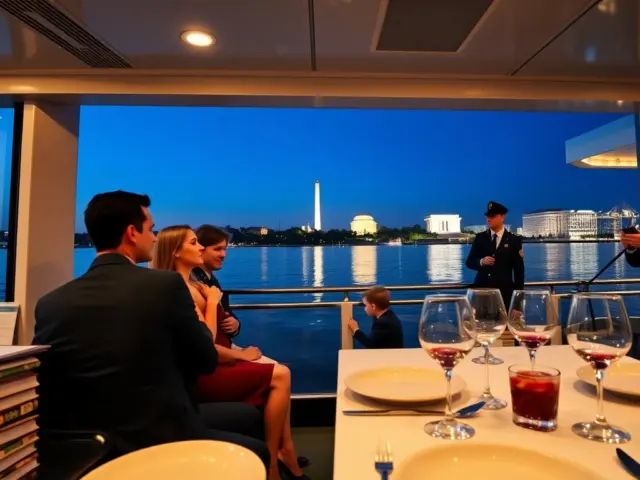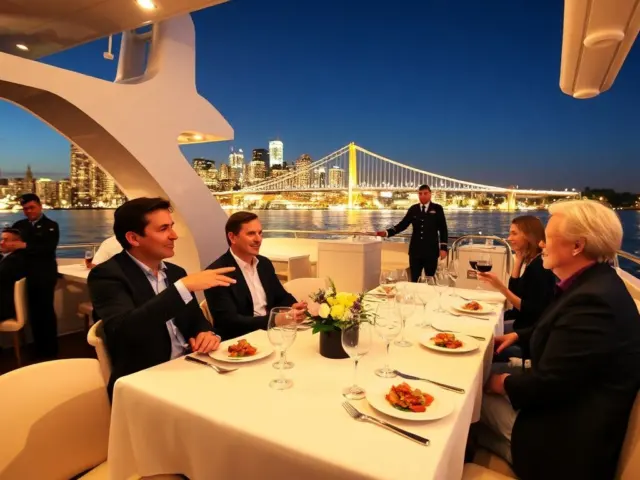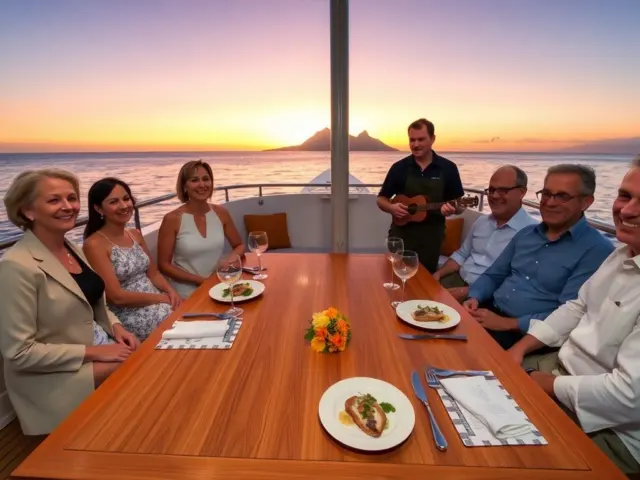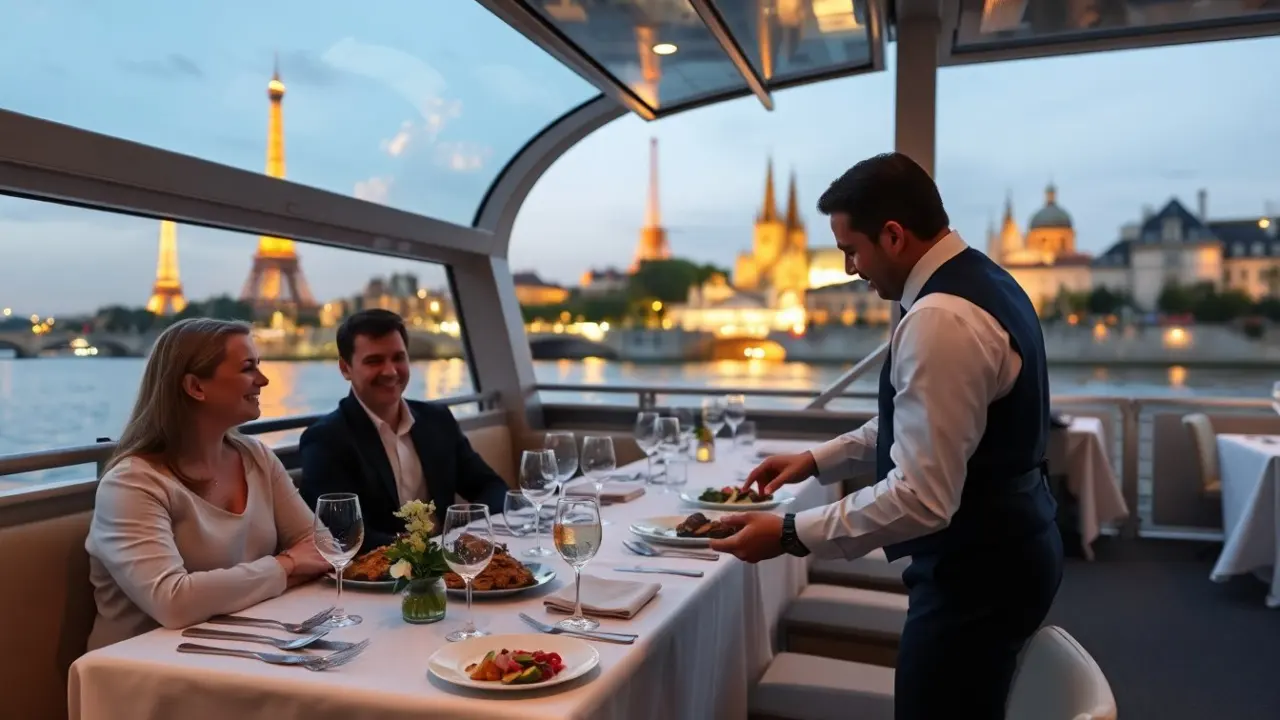
A seine dinner cruise offers a gentle meal and glowing views. The seine dinner cruise typically departs from a central quay near major arrondissements and follows a curated route under historic bridges. The seine dinner cruise moves past monuments while guests eat, with changing light and reflections on the water that create a cinematic impression of Paris. Onboard, the seine dinner cruise pairs food, light, and motion for a clear Paris memory—whether you prefer a relaxed set‑menu meal, a multi‑course gourmet service, or a more informal option on an open deck. Beyond sightseeing, the experience brings small practical benefits: fewer crowds than major daytime attractions, easy photo angles of façades and bridges, and a contained, predictable evening that works well after a long day of visiting museums or walking the city.
Key Takeaways
- A seine dinner cruise offers a unique view of Paris landmarks like the Eiffel Tower and Notre-Dame while enjoying a relaxing meal on the water.
- Choosing the right seine dinner cruise depends on your budget, dining preferences, and desired atmosphere, ranging from luxury yachts to shared riverboats.
- Booking tickets early, especially for peak times, ensures a preferred dining schedule and better pricing options with clear refund policies.
- Dress appropriately for the cruise style and weather, arrive early, and follow onboard dining etiquette for a pleasant experience.
- The cruise typically follows a timeline from boarding to enjoying courses while passing illuminated monuments, creating memorable Parisian nighttime views.
Why A Seine Dinner Cruise Is A Must‑Do In Paris
A seine dinner cruise gives a view of Paris from the water that you can’t easily recreate from the riverbanks. From the boat you often see the city’s major sights in sequence—the modern silhouette of the Musée d’Orsay, the Gothic details of Notre‑Dame, the sculpted façades along the Left Bank, and the glittering Eiffel Tower—while the lighting shifts as the sky darkens. The slow, measured pace of a cruise provides a contrast to crowded streets and timed museum visits: it is primarily an experience to enjoy rather than a checklist to rush through. For couples it has a romantic quality; for small groups it is an easy way to celebrate an occasion; for photographers and architecture fans it gives compositional perspectives—reflections, arches, and layered skylines—that are difficult to capture from land. Many cruises add a cultural touch (short commentary or light live music) to help place what you’re seeing, and the focused setting makes conversation easier than in noisy street cafés.
Types Of Seine Dinner Cruises And How To Choose
There are several distinct types of seine dinner cruises and the right one depends on priorities such as budget, privacy, and culinary ambition. Common categories include: shared large riverboats with set menus (good value, sociable atmosphere), glass‑roofed bateaux for uninterrupted views (excellent for photography and shelter from weather), formal dining yachts with table service and multi‑course menus (best for anniversaries or fine dining), and private charter options for groups or bespoke events. Some operators emphasize live music—jazz or classical—while others focus strictly on gourmet cuisine prepared onboard or sourced from established restaurants. When choosing, consider: your dining preferences (vegetarian, allergies, tasting menu vs. bistro fare), the amount of time you want to spend (two to three hours is typical), how much of the view you want from inside versus an open deck, and whether you prefer a narrated route or a quieter ambiance. Match the cruise type to budget, food preference, and desired atmosphere and read recent reviews for service quality and consistency.
Practical Booking Tips: Best Times, Tickets, And Refund Policies
Plan bookings with timing and flexibility in mind. Evening cruises generally leave around sunset or later; choose a departure that matches sunset time if you want daylight-to-night transitions. Book tickets at least two weeks before peak season and earlier for weekends and holidays to secure preferred seating and dining windows. Compare direct operator sites and reputable third‑party sellers for price differences and included amenities (drinks, wine pairings, commentary). Read the ticket rules before payment—pay attention to arrival time, boarding procedures, minimum age policies, and whether drinks are included. Verify refund and change policies for weather and health events: some operators allow changes up to 24–48 hours before departure while low‑cost options may be nonrefundable. If you need a flexible option, look for tickets that list explicit refund windows or allow date changes for a fee. Keep a printed or digital copy of the ticket and the operator contact details, note the exact quay name and nearest metro stop, and allow extra time for security checks or luggage storage if applicable.
What To Wear, Bring, And Dining Etiquette Onboard
Dress to match the cruise style and the evening’s temperature. On formal or luxury yachts, smart casual to semi‑formal attire is common; for open‑deck or budget riverboats, neat casual clothing is perfectly acceptable. Bring a light jacket or wrap for the river breeze and a small umbrella if rain is forecast—glass roofs help but do not eliminate drafts. Practical items to bring include a compact camera or phone with a good low‑light setting, spare batteries or a charger, any necessary medication, and a copy of booking confirmation. Arrive at the boarding point fifteen to thirty minutes early to allow time for check‑in and seating; staff often seat parties to balance tables and views. Follow basic dining etiquette: use polite table manners, keep voices at a moderate level to allow other guests to enjoy the scenery, and let staff explain service timing before requesting special accommodations. If you have dietary restrictions, notify the operator in advance and reconfirm on arrival. Tipping customs vary—check local guidance and the operator’s policy; leave a modest gratuity for attentive service when appropriate.
Sample Evening Timeline: From Boarding To Nighttime Views
Typical timeline for a seine dinner cruise: arrive at the quay 15–30 minutes before departure to check in and pass any quick boarding checks. Boarding and seating usually take 10–20 minutes, during which staff review safety information and explain the dining format. Shortly after departure the first course is served while the boat moves past nearby landmarks; this is a good time to take photos before the light fades. Mains are often timed for the midpoint of the cruise, when many bridges and façades are fully illuminated; servers may slow service slightly to let guests enjoy the views between courses. Dessert and coffee arrive near the return leg, giving a relaxed finish while the boat approaches the starting quay. Allow time after disembarkation for a short walk along the river, a nearby taxi pickup, or to catch public transit—the area near major docks is often busy, so plan a meeting point if in a group. The sequence is flexible depending on the operator, but pacing is generally designed so sightseeing and dining complement rather than compete with each other.